Kia Cars and CarPlay USB Issue
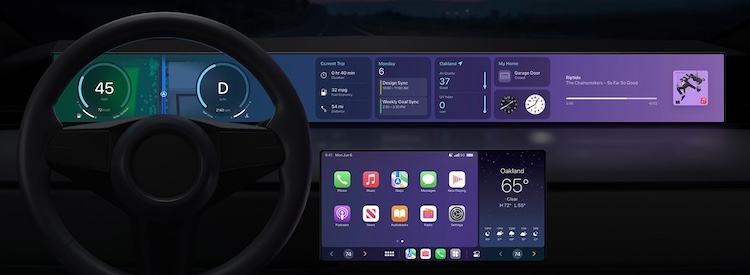
This year we changed cars to Kia. One of the expectations in any new car for us is CarPlay, Apple's in-car entertainment system. CarPlay is where the Apple OS is projected up onto the entertainment screen, and you can use Siri, play Apple Music, Podcasts, navigate with Apple Maps and generally live in the Apple world for your communications and sound.
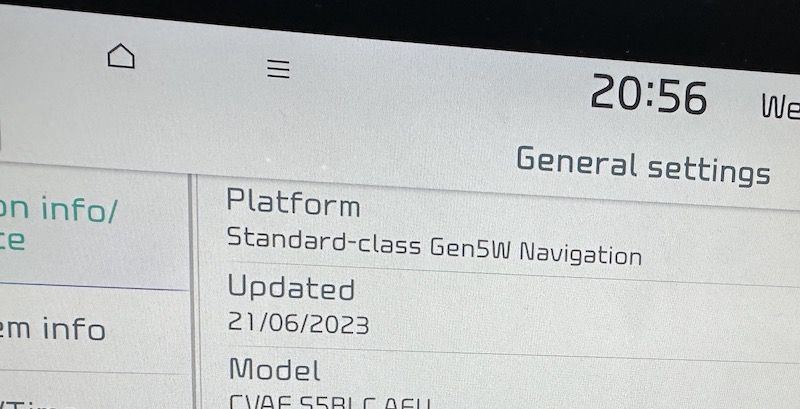
Our experience at the beginning of 2023 started well, with CarPlay working as advertised in an EV6 and a Niro over a USB cable (note Kia do not support wireless CarPlay). But after a few months, CarPlay would disconnect randomly, and its connection time would vary between a few seconds or up to 20 minutes. Initially we looked at software- we updated the internal car entertainment system software to the latest version from the Kia website, and we already had updated the iPhone to the latest iOS 16.
The dealership took the car in and also looked at internal software updates, but due to the intermittent nature of the dropouts, they would sometimes hand it back thinking it was dealt with, only for the same issue to return within a day or two.
Finally, after a few months of exploring all options and persistence from us, Kia agreed to replace the USB port and cable, which leads to the back of the entertainment system. You can see this cable in this YouTube video. I had raised my doubts about the cable from the start, but Kia refused to explore this until all software options had been exhausted. In hindsight this was a bit of a waste of time.
Now just to emphasise here- the steps in this YouTube video did not fix the issue for us. We did follow them and it did help for a week or so, but the same issue came back, indicating that there was a fault in the cable, and moving it around a bit may have reconnected the parts, but it did not solve the underlying the problem. We would suggest you don't follow these steps as there's a danger of damaging the clips when removing the panel. But watching it shows the cable behind, which is a combination cable for data communication to the entertainment system on the dash, and provides power to charge your iPhone over USB.
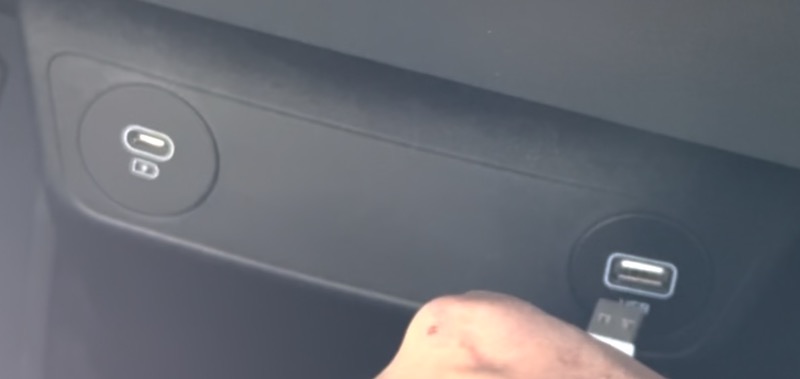
The solution for us was a full replacement of this cable and port. This was finally done after about 4 months of pursuing this with the deanship and Kia Ireland. We learnt that this has now been done with a number of Kia models. Both of our 2023 Kia cars needed this replacement to get CarPlay to work, and this is an issue across the Kia range; not isolated to a specific car. We had the cable replaced on our EV6 and Niro EV, and we have heard of Sportage owners needing the same solution.
Kia are aware of this issue, and if you do have this persistent problem, push for a cable replacement and not weeks of fussing around with software updates and resets. Yes it is important today to be on the latest iOS 17, and the car to be up to the latest Kia infotainment software (details here), but for us the only solution was replacing the faulty cable.
Since the fix at the start of August 2023, we haven't had a single dropout.
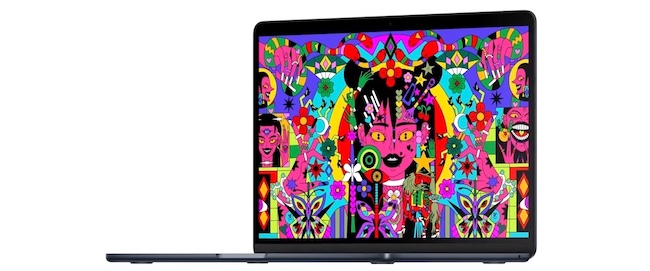
Apple 2023 WWDC Keynote: MacBook Air, loads of software and one more (big) thing....
Details:
https://www.apple.com/macbook-air/
https://www.apple.com/ipados/ipados-17-preview/
https://www.apple.com/watchos/watchos-preview/
WWDC and Apple announcements for 2022-3
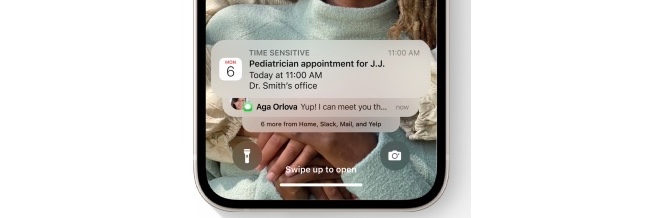
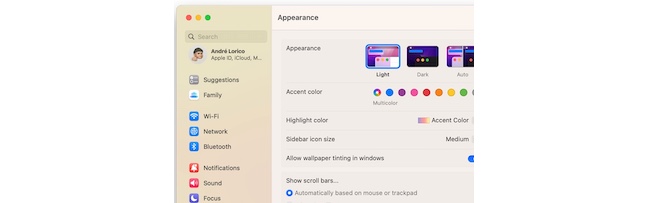
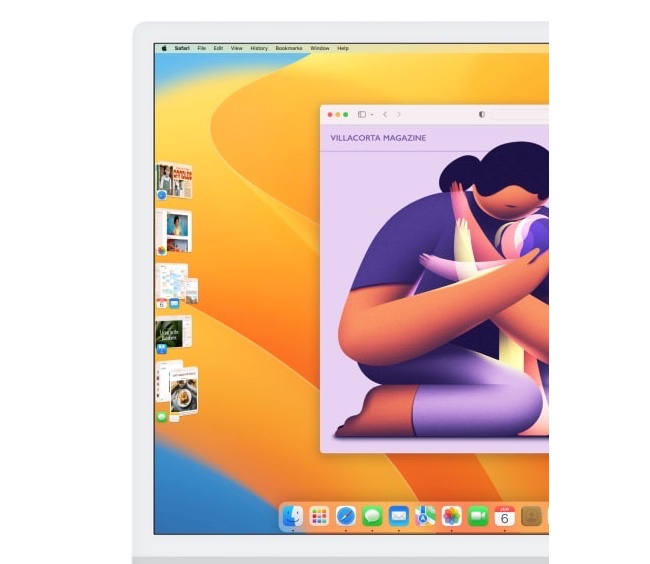
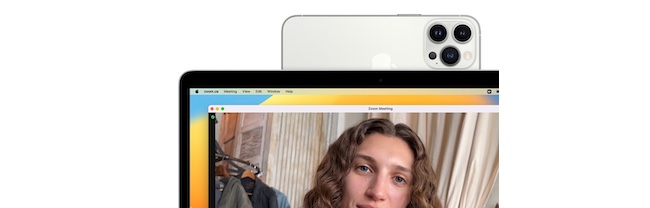
Last week Apple held its Developer Conference (WWDC) which included a keynote presentation announcing new products for the year. Here are a few of the highlights:
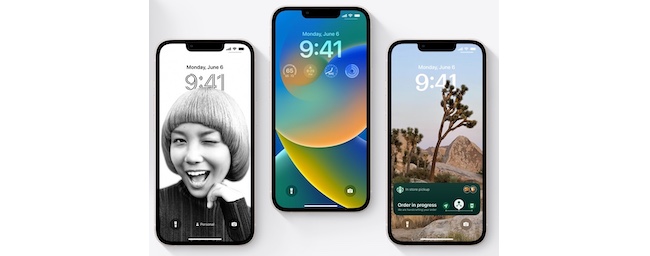
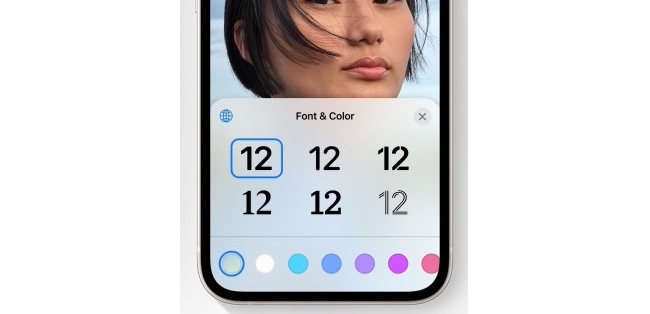
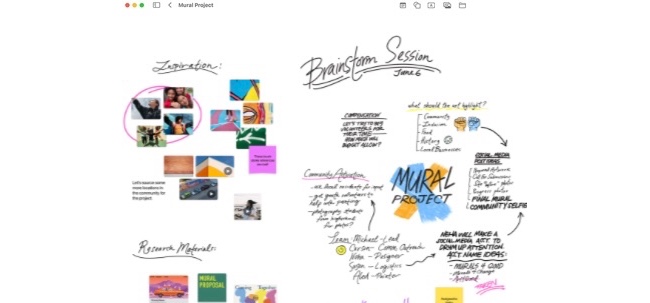
For the iPhone, iOS 16 will see a new Lock Screen design with fresh styles and colours. You’ll be able to customise the screen design with different images, fonts and colours:


Adventures in HomeKit: Part 2
Aside from my venture into home lighting this year, I have also looked at other HomeKit devices, including my home gate. During the summer we had a new sliding gate installed and from the outset I had thought about integrating this into our HomeKit system. My goal was to be able to open the gate using Siri on the HomePod, iPhone or Apple Watch.
Gate Industry:
The first challenge here was knowledge- who had it and who didn't. I approached a number of gate installation companies and although any of them would have done an excellent job in adding motor, none of them had knowledge about Apple HomeKit. I had done my homework here and could see that Nice UK gate motors had some information about HomeKit integration. I learnt that the pieces needed to be aligned: a specific Nice sliding gate motor to match the size and weight of the gate, a module to be placed inside the gate motor box to allow a WiFi link, and a WiFi signal which extended to the area around the gate.
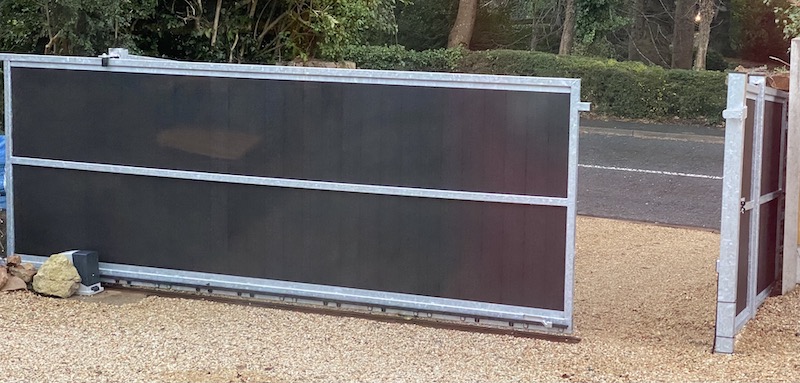
For gate motor, I went for a Nice Robus 600 which was a good balance of power and price. I set about installing it at the gate, which involved digging a hole at one side, filling it with concrete and fixing the gate base-plate on top of this, at the right level for the bottom of the gate. This was tricky enough as the motor needs to be carefully positioned so its metal cog wheel is level (to drive the gate) and is in the exact position for the rail. But after a lot of work and repositioning the motor level and angle using the holding bolts, the motor was in place and the gate would slide manually with the lock open. I would unlock the motor with the supplied key, open the lever and the gate could run back and forth.
Electrical Work:
Having installed the gate motor in the correct position, the next steps were the power and sensors. The gate needs its own power supply back to a fuse board and its own isolator switch (you can't just plug it in with an extension cord!). This was the trickiest part- I needed to run cable through outdoor ducting across the drive and then outdoor electrical cable needed to pass through our garage to outside the back door. In the end this cost about €150 for one hours work by a local digger driver and handyman.
The next part was the electrician. There was no way I would attempt this myself. This needed an electrician to link the cable through the wall at the door and into the house to the fuse board. He connected it into the board with its own trip switch, and the line out now has its own switch to power on/off the motor. This was important as during the programming stage, the gate needs to be powered on and off at various times.
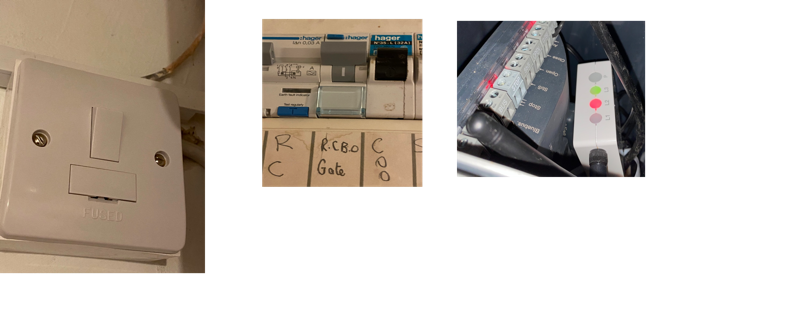
Isolator switch near back door : trip switch on fuse board : WiFi module (IT4WIFI) in gate box
Sensors, Programming and Accessories:
The electrician connected the cable to the Nice motor and once I knew I had (safe) power connected, the rest was over to me. I needed to install the two photocell sensors, which create a beam between each side of the gate. If broken, this signal would stop the gate from closing (for example is a person or car passed through as it was closing). Two photocells came with the motor kit and so I set them up on either side of the posts and linked them back to the “Bluebus” port on the Nice motor.
The final stage before activation was the programming. Nice UK have a number of helpful videos on YouTube which were invaluable. With the gate running smoothly on its rail in manual mode, and with the photocells linked, it was time to turn on the power and go through these steps. The gate has metal stoppers at either end, so the gate can be programmed to know where it runs to. Holding down a few of the buttons on the panel, the gate performs its initial search sequence, running back and forth to learn its end points. Now the gate was ready, and I could open and close it using the open/close buttons on the panel.
Remotes:
I also went the old fashioned way- I bought some remote controls for the gate. These are set up in two parts- first by plugging their radio module into the motor panel so that the gate has a receiver for the remotes. Then each remote is paired with that module. At tis stage I could now open ad close the gate, and be assured that anything breaking the photocells' beam would stop the gate in its tracks.
WiFi:
The next step was to add the gate motor to the house WiFi to add it to HomeKit. Luckily my office WiFi network extends far enough to give good coverage at the gate. I bought Nice's IT4WIFI aerial which plugs into the panel on the motor and lives inside its waterproof plastic covering. This was a simple step as it uses a telephone cable (RJ11), running from the small aerial box to the panel. After this I used the Nice Welcome HK app to add the gate to my network and I had a WiFi controllable gate.
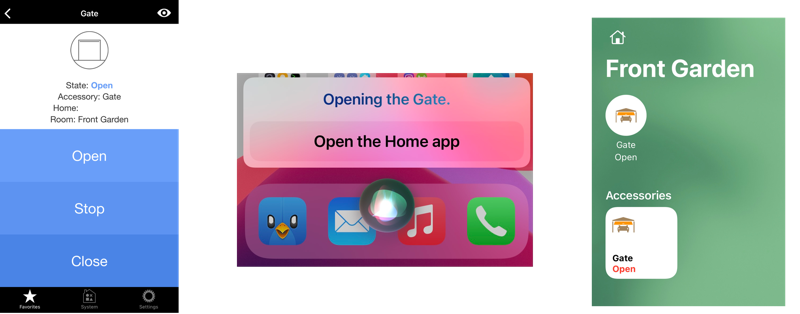
Nice Welcome HK app : Using Siri on iPhone to open the gate : Home app with the gate status
HomeKit:
I could have skipped the Nice Welcome app and gone straight for HomeKit, but I decided to have both. The final stage was to add the gate to the Home app on my iPhone, to assign it to a "room" and name it. This final step integrated the gate into the rest of my home accessories, including lights, dehumidifiers, power sockets and heating.
Now I can activate the gate using my iPhone or Apple Watch by saying: "Hey Siri, open the gate" or "Hey Siri, close the gate". I can ask "Hey Siri, is the gate open?" to check if it is shut at night. One of the best parts is the remote access, and the ability to open the gate as I approach my home in the car. As my Ford has CarPya, and a Siri button on the stalk, I can press the button and say “open the gate”.
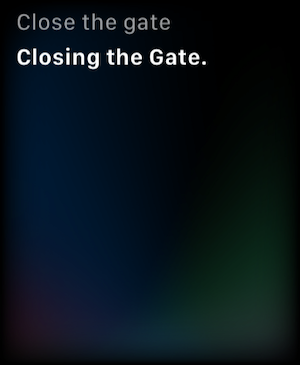
Using my Apple Watch is also great- by holding in the Digital Crown, I can ask Siri to “close the gate” and off it goes. So simple and effective- no messing around with zappers or even apps.
The only slightly fussy device is the HomePod in our kitchen which insists on me “authenticating” on my iPhone before it will complete a gate request, possibly as a away to ensure the person speaking is allowed to control the gate. I can see this as a useful safety feature.
I will need to check the photocells frequently and the gate may need to be serviced every few years, but overall this project was very rewarding and I succeeded in integrating the gate motor to the rest of my HomeKit system.
2020: The Year of Apple HomeKit
One of my favourite distractions during the lockdown of 2020 has been HomeKit, the home automation software from Apple. Over the last few months I have changed my home setup over to make my lighting fully automated and all under the one app: Apple’s Home app on macOS and iOS.
HomeKt is a software framework which was introduced in 2014 and was originally for developers to start integrating their home devices. As manufacturers of light bulbs, locks and thermostats, to name but a few, started to add HomeKit support, Apple improved its iOS Home app for users to control their home. In recent years I started to dabble with it, but really only when necessary, such as setting up my pair of Apple HomePods which can only be set up with the Home pap.
But at the start of 2020 there were enough new devices to tempt me into using Home app full-time for my home controls. Here is what I discovered and how I set up my house’s lighting system and power sockets.
The Basics:
To use the Home app with HomeKit compatible gadgets, you need a “Home Hub” device. Apple use this Home Hub to connect and communicate between the various gizmos in your house, including the ability to control them remotely. You can turn your lighting or heating on or off when you are away, linking back to the lights through your internet connected Home hub.
An example of a Home hub device is an Apple TV, a HomePod, or an iPad. The Apple TV and HomePod work well as they require very little, other than being plugged in and set up for normal use. The iPad can work as a Home hub but it’s not as convenient; it would need to be left in your home and plugged into power.
With one of these Home Hub devices in place, you can then set up your house in the Home app (Home -> Hubs & Bridges). All you need to do is be signed in with your Apple ID, choose which device is going to be your Home Hub (select one from a list if you have multiple compatible gadgets) and then you are ready to add new accessories.
Accessories:
Up until 2020 I had played with a few home-internet devices. I own a Google Nest thermostat and a Nest Camera, and I have used a few Koogeek WiFi plugs, which works fine as a way to turn on certain lights. But the issue was that none of these talked to each other and all used their own proprietary system (and apps). I have to use the horrible Goole Nest app for the thermostat and camera. For the plugs, the Koogeek app is fine and works well for simply turning plugs on and off, but it isn't integrated with HomeKit and so cannot be used with Siri.
I had three systems: Google Nest (Thermostat and camera), Koogeek (WiFi plugs) and HomeKit (HomePods). But the only one which would work with Siri was HomeKit compatible devices. While everything functioned well, the lack of compatibility and a concern about security meant that it was not the ideal setup. HomeKit is designed to protect the user and, with gadgets such as cameras and locks being automated, it is worth reflecting on which system you trust.
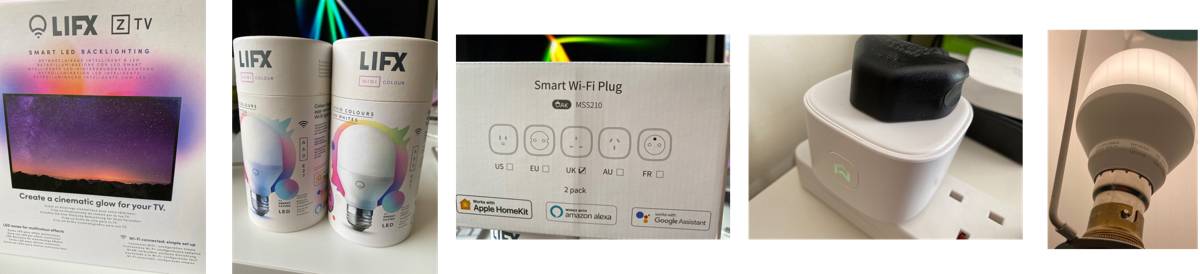
From L-R: Life X Backlighting strip for a TV, two LIFX bulb packs, Meross Smart WiFi Plugs box, a Meross in use with button on top for manual on/off, a LIFX bulb in our lamp
Making the change:
Lighting-
My HomeKit adventure began with light bulbs! I had watched the price of these bulbs and decided to move now as new HomeKit bulbs were available at a reasonable price. The other reason for installing them was because of the range of colours that these LED bulbs could offer.
Having looked around at different manufacturers, such as Philips and Koogeek, I settled on LIFX bulbs having watched some reviews and setup videos. They are a good price, are long-lasting, are cheap to run, and have a great range of features that are compatible with HomeKit and Siri.
I bought three types of lights from LIFX:
- LED strip lighting for behind our TV, above kitchen units and behind our hall bench
- screw-in E27 bulbs and B22 pin bulbs for different lamps around the house
The bulbs are very simple; they’re WiFi connected bulbs which means they are slightly bigger than an old-fashioned bulb, but around the same size as some low-energy bulbs. They are heavier, but this was not an issue in the lamps. The major difference is the cost: each bulb costs around €30-35. It all adds up if you decide to change your whole house, but I took it room by room to test the product and decide if it worked the way I wanted.
WiFi Plugs:
For WiFi plugs, I went for pairs of Meross units, which are simple to use and a reasonable size. They cost about €20-25 for a pair of plugs. The biggest problem with any of these units is the size of the WiFi plugs. Almost all WiFi plugs will have trouble fitting into extension 4-bars along side other plugs. But I had no trouble with them in dual-wall sockets. They look a bit clunky, and so may work best when positioned behind furniture rather than on clear wall sockets. They’re not bad, but they stick out a bit with the devices plugged into them.
I wanted a few of these for other units, such as dehumidifiers and cameras, and they’re perfect for turning on/off any powered device. One caveat- don’t rely on them for your TV or other sleep-mode units. You may be able to power the unit on and off with a WiFi plug, but the TV is likely to remain in sleep mode and not fully power up. The same is true with some radios, dryers, washing machines, etc.
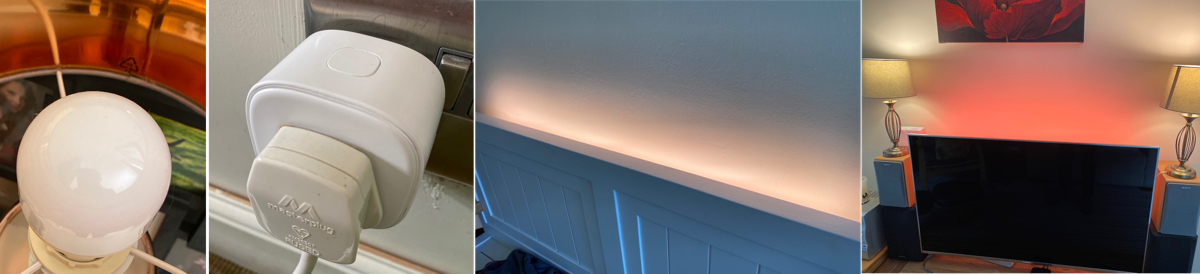
From L-R: LIFX bulb, Meross plug in use, light strip behind hall bench, light strip set to red with white light bulbs around TV
Set-up:
The setup process was very easy, and you can do it two ways-
1/ using the Home app: Apple make this very painless. All HomeKit compatible devices come with a QR label on the packaging. You open the Home app, tap the “+“ button and choose to "add accessory”. On the following page, the camera scans the code to begin to add it to your system. That’s it; the Home app gives the device the WiFi connection to join your home network and you reach a page in the app where you can name and choose options for the device. For example, you can choose to add the device to a room in your home, you can name it so in the future you know which device you are controlling, and there are some device-specific options, such as setting a light-bulb colour.
2/ the other option is to use the manufacturer’s app. I would recommend you set up the device with one, and then you can use both to explore the features. Sometimes the manufacturer’s app has a few extra options and settings. I like the colour settings in the LIFX app more than the options in the Apple Home app. The Home app has a simple colour palette, whereas LifeX has colours plus a range of multicolour “themes” with extra colour effects.
Ideally, set up your devices in one and then explore both apps. Then you are set to control your home devices using whichever app you need or prefer. I normally use the Home app all of the time, but have the other apps for specific tweaks.
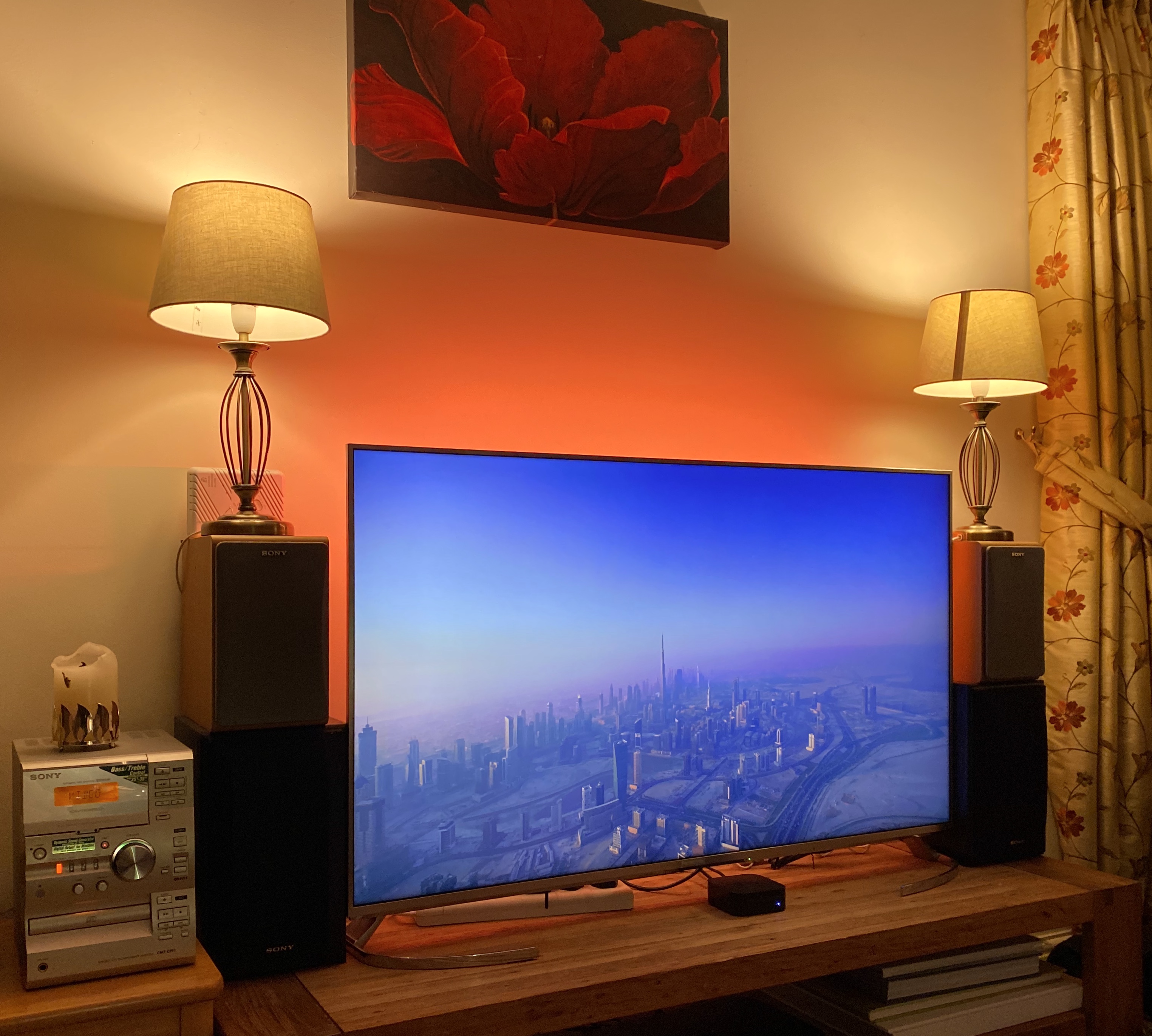
Aside from the initial setup, you can also group your devices. For example, we have two lights either side of our TV and one strip light on the back of it, so I grouped these three into one “TV" set. That way when you choose a colour, you only have to set it once for this group of 3 bulbs.
Rooms:
In the Home app, you set up the rooms of your house so each has its own page, and then you assign each new device to a room. It is best to get your room names sorted at the start, so that you can then allocate the devices as you add them. In the Home app you swipe left or right to move through each of the room pages.
Siri:
Voice commands are one of the best parts of the HomeKit system, and these can be used on an iPhone, iPad, HomePod or Apple Watch. I can tell Siri to “turn on the lights in the kitchen” and all lights in that room come on. I can also ask Siri to “turn on the lights” to light up the whole house, or be more specific and ask to “turn on the lights in the kitchen and in the living room but not the bedroom”. Siri will also increase the brightness if you ask to “turn the lights up 30%” etc, or change colour by saying “set the living room lights to yellow”.
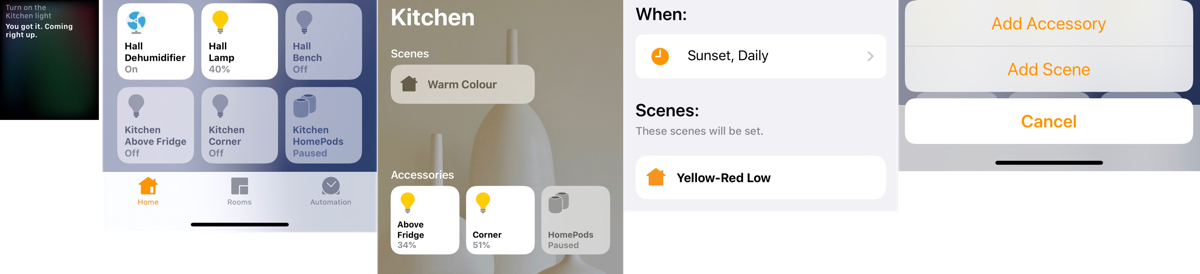
From L-R: Apple Watch Siri common, Home app front page, Kitchen room page, Automation command for Sunset, Adding a new Accessory or Scene
Scenes:
What’s even more effective is setting “scenes”. You can gather various types of devices into a “scene” which could include different settings- for example to set all lights in the living room to 65% brightness and set them to a certain colour. This way you can set up your perfect lighting across rooms, your favourite colours and brightness, and save it as a scene for the future. No-one needs to be constantly setting devices and trying to remember the particular colours and tones, so adding 2-3 scenes for different lighting conditions and times of the day is a great way to set up your home. This can be combined with other devices- so saying “arriving home” to Siri can be used to trigger lights, open locks, start music and turn on gadgets around the home.
Remote Access:
One of the best parts is the control of the system from anywhere in the world, using your internet-connected iPhone and Home app. Looking at the Home app when away, you can see what is turned on and you could turn on a few lights to give the appearance of someone at home. With a HomeKit enabled thermostat you can set your heat to turn on as you depart, so you can return to a warm house. HomeKit can also add sliding gate motors by companies such as Nice so on your return you can ask Siri to “open the gate” as your approach.
Automation:
Apart from Groups and Scenes, Automation is the best way to have your lights and gadgets turn on or off at certain times of the day. Devices can be grouped into an Automation so they are set to come on at a time, or turn off late at night. This can be aligned with sunrise and sunset, or at a specific moment in the day.
Overall:
At the end of all of these changes the main difference is the colour in the rooms from the LIFX bulbs, which give the house a warmer feel than the harsh LED white bulbs. The combination of the strip lighting and bulbs gives a good combination light direction, and being able to turn the whole set off in one voice command is excellent. My favourite part- turning all of the lights on or off simply using my Apple Watch. I hold in the digital crown in and ask Siri to “turn on the lights” and that’s it- the entire house lights up.
My intention is to get our sliding gate motor integrated this month, so will update this article to let you know how that goes…
For more detail from Apple on the Home app and HomeKit compatible devices, check out their Home page: https://www.apple.com/ios/home/
For Life X bulbs and lighting strips: https://eu.lifx.com
For Meross WiFi plugs: https://www.meross.com
Guide: Working From Home
Given the recent developments around coronavirus (Covid-19), now seems like a good time to look at how to work from home and steps you could take to get yourself ready for remote working:
Step 1: Internet
The first problem for any home-worker is access to good broadband speeds. Being able to access emails, download attachments and visit websites will be affected by the speed of your home internet. So to check your speeds, use the speedtest.net website when you are at your house and on your home WiFi. This will give you a rough outline of the speeds. Try to run the test 3 or 4 times to get an average picture of the download and upload speeds.
- Download speeds relate to how fast webpages appear and how quickly you will receive your emails and their attachments
- Upload speeds will show how fast you can send out emails
If you are lucky enough to be connected to a fibre broadband service, your speeds will be over 100mbps, and will be more than enough to work from home with. If you have standard broadband, you are likely to get speeds in the mid double digits, such as 40-60mbps. This will also work fine for most internet services, such as emails, web pages and online audio/video (FaceTime, Skype, WhatsApp).
The main concern is if you are below 20mbps, and especially if you are in the single digits. This will not be enough for a reliable connection. You may scape by for lighter work such as sending small emails and light web use, but forget reliable audio and video links
If you have a poor landline broadband connection, all is not lost. Your mobile phone may be able to help! Check the speeds using the free Okla Speedtest app and check this at home, without being connected to your home WiFi. If your mobile signal gives you a decent data speed, then this could be used as a link for your laptop or iPad. But you need to be careful here about one major drawback- data allowances. Check with your mobile phone provider about your data limits. It is possible that you are on a limited data plan and if you go above that allocation you will be charged per MB. This can get very expensive and so it is important to check this in advance. In Ireland, 3 tend to have unlimited data allowances, whereas Vodafone and others limit use to a certain number of GBs.
If you have checked your limits and are happy to use the service, then here is how to use your phone as a Personal Hotspot:
- on your iPhone, turn on Personal Hotspot (Settings -> Personal Hotspot). Note the password here as this will be required below.
- on your Mac or iPad, join the new iPhone WiFi network being given out by your device and join the network by using the special password (as noted above)
- now your iPhone will have a Personal Hotspot icon at the top of its screen, showing that it is being used
To save data, try to turn on personal hotspot when you need it and turn it off afterwards. For example, set up a number of emails in your outbox and then turn on hotspot to send them out in one go.
Step 2: Email
Many people do not have a good record of their email settings. Try to gather the information you need such as:
- what is your email account's username and password
- what type of email service are you using: POP? IMAP? Exchange?
- can you use a website to sign into your email account to view and reply to your messages? (called webmail)
- if you have an IMAP account, do you know the incoming and outgoing mail server settings and port numbers- it's good to have a record or screen shot of these
- the worst type of email account is POP, as this does not sync easily between multiple devices. If you do intend to work from home, try to see if you can change your account from POP to IMAP or Exchange in advance (check with your email provider about this before you adjust any settings)
Is you email set up on your phone? You can add the account to your phone and then you can turn it off so it is silent, but available with one tap. You don't have to have it on all the time if you dislike being interrupted in the evening and at weekends, but it can be useful to have the facility should you need to access them remotely.
Step 3: Screen Sharing
If you have an office PC and you need to access this from your home iMac, laptop or iPad, you can use one of the screen sharing services such as TeamViewer or Splashtop. With permission from your employer (!) and with the right software, you will be able to access your work Mac/PC and view the screen as if you were at the desk.
- TeamViewer: this is a handy app for occasional screen sharing. You need to have TeamViewer open and running on your work computer to be able to then access it from your home on your Mac or iPad. Under Mojave and Catalina, you also need to give TeamViewer access to Accessibility settings on your work device, otherwise you may not be able to move the pointer on the work computer. Check out this document from the TeamViewer support site. The main drawback on TeamViewer is the cost- if you use it regularly, you will be asked to pay a fee, and the app will stop working unless you do this. It's great for occasional logins, but expect to pay for professional and commercial use
- Splashtop-: our favourite app for professional use is Splashtop. This costs about $60 per year for 2 computers, and $99 per year for up to 10 computers. If you are going to be using screen sharing a lot over the next few months, this is the app to go for. It needs two parts: 1/ the Splashtop app on your home Mac/PC/iPad, 2/ the Splashtop Streamer app on the Mac/PC you wish to access
Step 4: Cloud Services
If you are going to be working from home, it can make sense to place your work files and folders in a cloud service, so that those can be accessed from any of your devices. Assuming that this does not cause problems for your employer's data policies and security rules, you could move your desktop files into a service such as iCloud Drive, Dropbox, Google Drive or Microsoft OneDrive. A few pointers:
- don't load everything in there- be organised and try to create a clean set of folders and files so you know where things are
- files should only remain in cloud services for as long as you need them to be in there. Don't dump your entire life in Dropbox- try to spring clean and think through what you need. With the screen sharing apps (above) you could add more at a later date
- you will pay for large amounts of data- for example iCloud and Dropbox give a small allocation for free and then you will need to upgrade to a paid account. Even more of a reason to be well organised
- you must have a good broadband speed to use cloud services
- you should look at the smart sync features in cloud service, so all of the files don't have to come down from the cloud to your laptop or home device; instead you bring them in as you need them.
Step 5: Accessories
A few extra tips:
- try not to work on your laptop on the desk, where you curl your shoulders in over a laptop. For better posture, place the laptop on a few books so it is up at eye-level and use an external mouse/trackpad and keyboard
- use a set of headphones for calls. With Bluetooth headphones, this is a great way to free you up to move around as you talk, or to take notes on your keyboard at the same time
- don't forget your backups! You can pick up a small USB drive for home backups for less than €70
- Apple's iWork office suite (Pages, Keynote and Numbers) is free to all Apple users through the App Store. You can also download a copy of Microsoft Office for personal use for €69 per year (from microsoft.com)
- FaceTime might scare people who hate using video, so why not use the FaceTime Audio feature for calls-only. They are free to other users and every Apple user in your Contacts app will have a small video and audio icon beside the word "FaceTime". Tap the audio button to make an audio-only call the other user for free. This has much better sound quality than mobile phone calls!
I hope some of these suggestions help to keep people working, even if they do need to spend a bit of extra time at home over the next few months.
Apple Press Event: iPhone 11, Apple Watch 5 and other news
Apple held a press event on Tuesday to announce a range of new products and services. Here is my summary of what was announced:
Apple Watch:
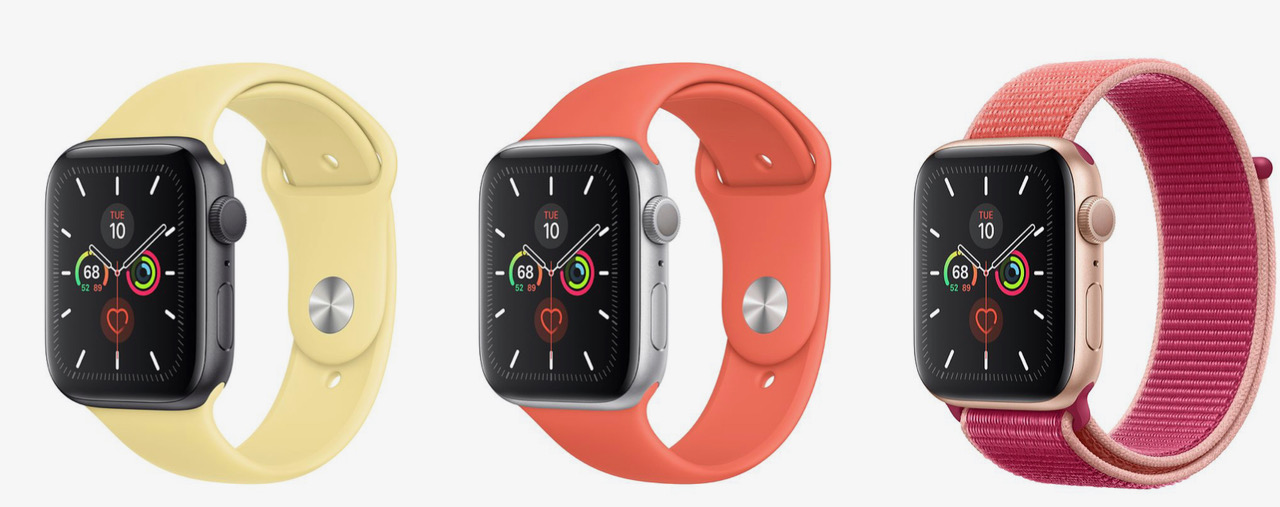
Apple Watch Series 5 comes with always-on screens, a new compass sensor, new metals and straps. Not a huge change on last year- more of an incremental update. With the next software update, you can also listen to audiobooks and podcasts directly to Bluetooth headphones.
Beats PowerBeats Pro
Suspect these will become my new headphones very soon. While I like the AirPods, they tend to fall out of my ears and so this over-ear design is very appealing. The case charging and the overall shape and size look good:
AirPods
I bought my AirPods just over two years ago, around Easter 2017, and the batteries have started to fade. I notice it on calls where I get about 10-15 minutes before I hear the drop out sound as one cuts out.
Such is the price of technology, but still a bit disappointing.
Apple’s Role in Privacy
Yesterday’s Irish Times article touched on the subject of privacy, and the dangers of Apple moving in to new markets, creating a one-stop company for many aspects of our lives, including emails, contacts, photos, and now banking.
I don’t disagree with the sentiment in the article, but I do quibble with the Apple being the focus. Over the last few years, Tim Cook has been a leading voice in the battle for privacy, and has set Apple out as having a very different view on how data is stored and analysed. He has called for US legislation to cover this area and every person updating to Mojave and iOS 12 will have seen the privacy statement from Apple, as they set themselves out from other companies who make money from analysing your data, such as Google and Facebook.
The author’s concerns are well made. But Apple seems to be the wrong target for this criticism. The company has always had a strong culture, which is unique to other tech firms. Looking back at interviews of Steve Jobs and Tim Cook shows how Apple view the user as a partner and not as the product. Facebook’s business model is the collection of data and the sale of this to third-party companies, which is used in turn for advertising purposes. Apple on the other hand has sought to protect sensitive information, and to use local chips inside devices to not upload this to the cloud- Face and Touch ID is an example of this.
Aside from privacy, Apple has also sought to push its values to the front of the leadership of the company. The appointment of Lisa Jackson, who reports directly to Tim Cook, has raised the highlighted their view of the environment, with Apple data centres aiming to be solely powered with solar power, along with recycling programmes for the materials inside Apple devices. This type of culture should be encouraged as Apple has sought to lead and push the environmental agenda to the foreground. Jackson has presented at Apple keynotes and Cook frequently talks about Apple’s values and their responsibility to the world around it.
So there are many, many criticisms which can be levelled at Apple; but I do feel that privacy and the encroaching dangers an expanding Apple is somehwatunjustified.
Group FaceTime
Looking at what has gone on this week with the group FaceTime bug, Apple’s culture and the way it communicates with the outside world was in focus again. Apple have traditionally been cautious about giving out information- to the press and to customers.
Apple Newsroom PR statements are always refined, minimalist but accurate. This works in relation to new products but on this occasion they were slow to speak and took actions that at time were left unexplained. For example, the company disabled the new Group FaceTime feature but didn’t make a public announcement. Their system status page showed that the service was down and the first public statement came out today.
In principle, this was the right thing to do- act quickly and do the talking later. But it was hard for customers to know what was right. Was disabling Group FaceTime the solution? Were we safe with it disabled? From Apple’s point of view, they did not want to make statements which they would later have to change. Instead they sealed off the problem, investigated, and then released a reflective response on what was found, laying out their plans (software update coming next week).
But having a minimalist approach to PR and public information does leave users questioning, what next? And for a period of time this week, we were in the dark about how bad this bug was and what action we should be taking. This void was being filled by advice on Twitter whereas there should have been better information from the company themselves.
Highs, Lows and Things to Come
We take a look at the high and lows of Apple products in 2018 and speculate wildly on what might be around the corner...
HIGHS:
HomePod:
I love the HomePod. More than most Apple tech, the HomePod lives in the kitchen and so is at the heart of our family. This means that my kids, wife and I all use the HomePod on a regular basis. Mostly for Apple Music, sometimes for AirPlay when I will push a podcast to the speakers (I have two!) and occasionally for Siri, when we ask it to set timers and alarms for cooking. Yes my iPhone or Apple Watch remain my most used gadgets, but the HomePod is there in the heart of the home as an everyday kicthen appliance. Not bad for a new product.
iPhone XR:
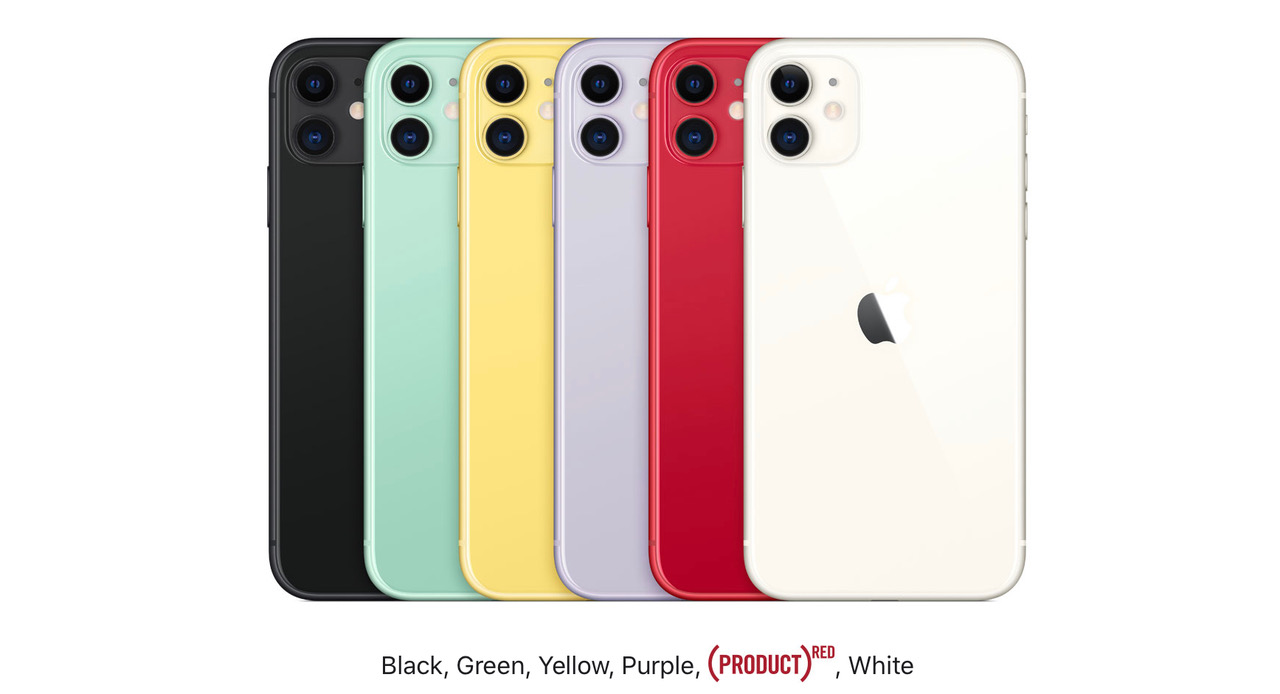
Given that I already had an iPhone X, I skipped any upgrade this year, but I am well impressed by the new iPhone XR. Great colours (especially Product RED) and a nice lower price compared to the XS, this is the sweet spot amongst the iPhone range. Also, once you upgrade to a X, XR or XS, you just can’t go back to the older screen shape.
iPad Pro:
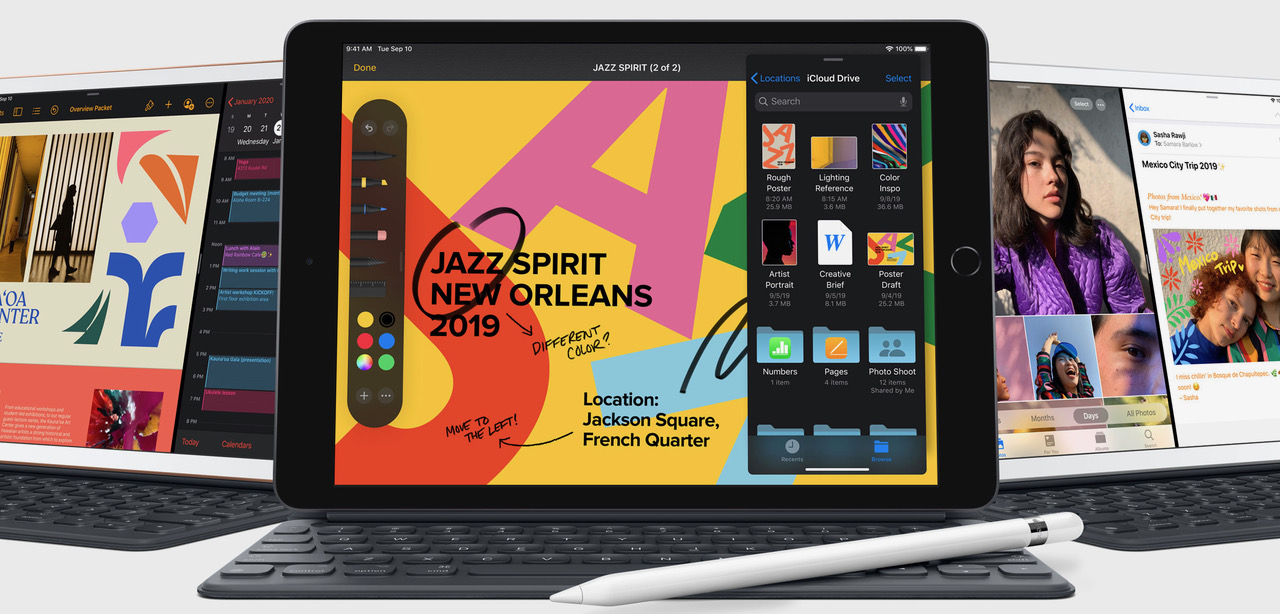
Certainly my favourite Apple product of 2018. The iPad Pro is very fast- so much that I don’t even think about opening times and lags these days. These speeds, combined with the amazing screen which gives so much more working space, makes this my favourite work device. I have made a commitment to the iPad and try to take it to meetings and for short work trips. The Apple Folio Keyboard isn’t perfect, but it is small and thin enough to mean it does not distract from the iPad’s thinness while allowing for decent typing speeds. Overall this device is a slick piece of premium kit. On top of this, the new Apple Pencil and its charging method on the side of the iPad Pro is fantastic- the perfect pairing.
Apple Watch:
Speaking of speed, the new Apple Watch Series 4 is a transformation over my Previous Series 2. It is hard to write about speed differences, but the way the Series 4 Wstch feels is amazing- it reacts immediately to touch, something which did not happen with previous models. This immediate reaction time plus the new Watch faces makes it a completely new device compared to previous generations. I also bought the cellular version, so I await news from Apple and Vodafone/3 on support in Ireland...
LOWS:
MacBook:
At this stage I’m not quite sure what the MacBook is for? With the launch of the new MacBook Air, alongside the MacBook Pro, the MacBook sits alone with a niche role. It seems to be the lightest and thinnest model, even though the MacBook Air would point to this! But with one port and the smallest screen, it seems to be useful for those needing the smallest laptop for travel, but as an underpowered laptop it is not so clear what its audience is. Apple really need to sort out their laptop segments here and who they are aiming this laptop at.
Apple Display:
The absence of an Apple display for those who want to connect their Mac mini or laptop to a big screen is shocking. The number of Dell and other screens I have set up this year should be a curse on Apple’s reputation. It is madness to have Apple users buy LG and other models, spoiling their setup with these ugly plastic monstrosities. Having a great screen should be an Apple priority for 2019, as it should have been in 2018.
MacOS Mojave:
Ho-hum. OK I know there are lots of under-the-hood improvements here but Mojave is a fairly minor upgrade and we miss the headline features of Mac OS from the past. Having a News app and Home app really doesn’t rock our world and it is a pity we are seeing more and more of these incremental updates in Mac OS, with no big splashes.
...Things to Come in 2019:
Ok this is all idle speculation, but here is what we would like to see in 2019...
- a cheaper intro Mac laptop, aimed at education and students. The current MacBook and MacBook Air lines are just a tough too high in price (or begin with lousy storage amounts) and we feel there needs to be a great €999 laptop for education
- we have mixed feeling about the Mac Pro, but as a headline for the Mac range we would love to see a great pro Mac. Would we buy it; unlikely. But it does signal the state of the Mac range for pros and so we love the idea that the video editing and photography market is properly catered for
- more countries rolling out cellular support for the Apple Watch. And having said this, more countries selling the HomePod too. Apple have been very slow to roll out both. Why? Lack of interest by carriers? Lack of sales by Apple? Whatever the reason, the country range needs to improve to makes these products truly global
- new AirPods? Seems likely they are coming this year and we are curious as to what they will improve here... Such a great little product right now and a great symbol of Apple’s design success.
Christmas Treats from Apple
Looking at Apple’s current line-up and reflecting back on the changes this year, I think there are a few product highlights out there. Here is my run-down of what’s hot in the current Apple range:
iPhone:
I am stil using an iPhone X as I don’t feel that the iPhone XS or XR are different enough to the X, but both new lines are great for people who are on an older bezel phone (the ones with the black strips above and below the screens. The iPhone XS and XR are effectively the iPhone Pro range and are not for everyone, given that they come in at a higher price point to the normal iPhone 8 or 7. But if you are looking for a top-of-the-range iPhone, the XS and XR are superb.
Which leads to the question- which one? For me the gap between the XS and XR is so small that the XR should be your choice- or at least ask, why do you really need a XS over the XR? The XR has a good balance in terms of size of screen, is much cheaper than the XS and yet comes with the same chip inside. The difference is that the XS has a slightly better dual-camera and telephoto system, but for most people this may not be relevant...
You should take a look at the iPhone comparison page to compare the two models side by side:
https://www.apple.com/ie/iphone/compare/
But the XS starts at €1179 whereas the XR comes in at €879, so it is definitely worth considering the XR and all of its comparable features. It is not a lesser iPhone, it just has a few minor omissions.
iPad:
The new iPad lineup seems to tick all boxes for me- I adore the iPad Pro and am typing this article on the new iPad Pro with Folio case. It is light, very very fast, and a gem to carry around. I’m trying to use this more frequently, over my MacBook Pro, as I like the multi-tasking and find I can do so much more on this device than on previous iPad models.
But at the same time you can buy a standard 9.7” iPad for a very low price of €369 (32GB) or €459 (128GB) which is good for a device which originally launched in 2010 at $499. When you think about the advances in speed, screen quality, graphics and more in those 8 years, today’s iPad is quite the bargain. The iPad Pro starts at a much higher €909, but has a larger screen, Pencil 2 support, Folio case support and more. I am happy with my choice at a higher price, but the starter 9.7” iPad could be many people’s only computer, for €369.
Watch:
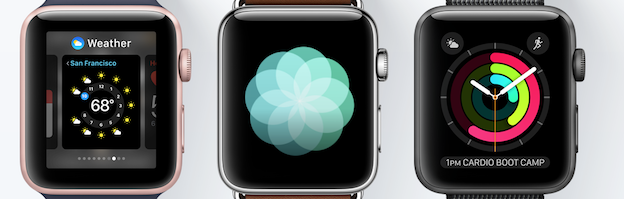
The changes to the Apple Watch in 2018 have been incremental, and I stil have a Series 2 version. The new Series 4 is likely to answer my major concern- speed. I will be getting a new Watch over Christmas as the combination of the speed changes and the slightly larger display (44mm) makes this a worthy upgrade for earlier Watch users. If you have a Series 3- wait. But for anyone with an earlier model, there is enough of a gap now to justify opening your wallet.
AirPods and Pencil:
If you are looking for a smaller price as a gift, then the AirPods and new Apple Pencil 2 are the ideal choice. The new Pencil is a great combination with the new iPad Pro - in fact it is the only Pencil you can use with this model! But it is so much better than Pencil 1 as it magnetically connects to the side of the iPad, where it stays tightly linked and charges!
The AirPods is one of those Apple gems which still impresses me long after their launch. The AirPods are small, fit neatly into the small jeans pocket and are so much better to use than the cabled headphones or even traditional Bluetooth headsets. Plus the battery length is incredible- I mostly forget to charge them at all, and only do this every few weeks.
Mac
I bought a new MacBook Air recently and this Mac would go back in as my recommended Mac laptop for many people. The balance of new case, the higher speed and the new retina-display all add up to a neat package. It sits above the MacBook in terms of screen size and speed and below the MacBook Pro for sheer power, but this is a sweet spot for most users and I can see it staying as Apple’s best selling laptop.
Overall there are some nice pieces out there for Christmas purchases- these are just a few of my own favourites!
Apple launch new iPhone Xs, Xr and Watch Series 4
Today Apple launched the new iPhone Xs, Xs Max and Xr phones. These replace the iPhone X and offer a wider range of sizes and options.
The iPhone Xs and Xs Max are the new top of the range phones. They come with a new faster A12 Bionic processor, a better camera offering 12MP with zoom lens, and a Portrait mode which allows the user to choose and vary the level of blur for the background of images.
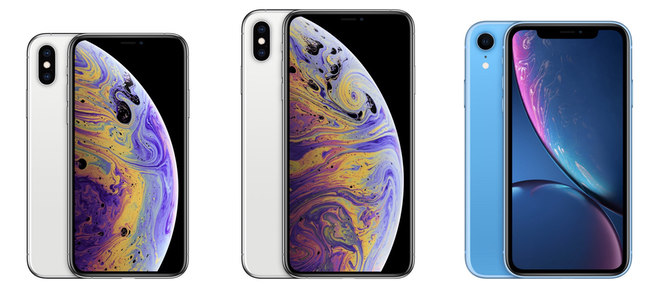
The new iPhone Xs range comes in two sizes- 5.8" Xs version and the 6.5" Xs Max. The latter is the biggest screen ever produced on an iPhone.
Aside from the top of the range Xs, Apple also announced an Xr range, which comes with a cheaper price point. It has the same chip as the Xs but only a single lens camera.
Here is the new range and prices for Ireland:
256GB €1,349.00
Xs Max:
64GB €1,279.00
Xr:
128GB €939.00
The other major news at the event was the new Apple Watch Series 4, which in the US comes with an ECG Heart monitor that can detect heart defects such as low and irregular heart rates. For an Irish audience., the biggest disappointment is the absence of Ireland in the launch dates for the Cellular version. This also happened last year and means that Ireland remains excluded from the mobile-linked version of the Watch.
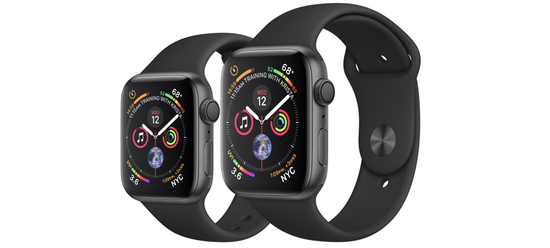
The Series 4 Watch comes with a larger screen which gives over 30% more screen space, allowing for better Watch faces and complications. It has an improved Digital Crown with Haptic feedback, new microphone and speaker, and comes with a new S4 chip, giving twice the speed of last years S3.
The new Watch comes in two sizes, 40mm and 44mm, up slightly from the 38mm and 42mm. The prices start at:
40mm: €439
44mm: €469
Lastly, Apple announced launch dates for new versions of their operating systems:
iOS 12: 17th September
macOS Mojave: 24th September
HomePod update and tvOS: 17th September
Gaps- Time for a Watch Boost
In Autumn 2017 Apple introduced Apple Watch 3. A revolutionary way to receive emails and texts on the move, with a cellular watch on your wrist. Only issue? It never reached Ireland. In fact it has never really expanded outside the original countries announced at the start. It is only available through one carrier in the UK and other countries have not been added in the numbers that we see for the iPhone. Too many gaps for what looked like an exciting product with big potential.
This for me has been one of the major disappointments of the year since WWDC 2017, and I hope that this year’s event, starting on Monday, will see the Apple Watch 4 or watchOS 4 alongside a bevy of new carriers and countries. I’m sure that Apple wanted to roll out the Watch to other regions and have been hampered by carrier resistance or lack of interest due to lower volumes. There may also have been an unwillingness to provide the service at a low fee. Is it worth the effort for Vodafone and Three etc to support the Watch, when the number of buyers seems to be low compared to bigger products like the iPhone and iPad? I can’t help but feel this would be short-sighted as the potential for the Watch and wearable devices is huge. But the main stumbling block may have been price. For an iPhone owner with an existing contract, paying another fee for the Watch, which would use the same contract and allowance as the phone, seems unfair. So Apple had sought low fees- an extra €5 per month seems right to me but you can see €10 being the norm, and it is possible the carriers sought more.
I hope that we see new software for the Watch and a big push to make the cellular version more available and widespread.
But for me personally, it is the health potential which intrigiues me most... The possibility of the Apple Watch being able to read blood glucose would be life changing. I have tweeted about this in the past, but if Apple could turn the Apple Watch into a glucose monitor, this would be life-changing. I am a type-1 diabetic who tests my glucose levels about 10 times per day. This is done with lancets, drops of blood and testing sensors, a painful, messy and cumbersome part of my life. It is also retro-active as I regularly test after I start to feel unwell and play catch up to bring my sugar levels back in line with glucose or with insulin injections.
The possibility that a wrist Watch would inform me as my sugars slide low or high, so I can react earlier, would be life-changing. I’m not sure that Apple can get this into a Watch alone- it may involve agadget on the body which transmits signals to the Watch, but I still live in hope of the simplicity of glucose monitoring on par with the heart rate monitor today.
Here’s hoping...
Week One with the HomePod
The new Apple speaker, the HomePod, is not available in Ireland just yet, but I drove up to Northern Ireland to pick one up on the weekend of its launch. I had some ideas and limits on what to expect- I did not want an Amazon Echo. The Echo is a great product but it simply wasn’t for me; I wouldn’t use an audio assistant for information, I wanted a good music system in my kitchen, and so the HomePod was the right fit. I think many people see these two products as being in the same category, whereas I see two types of customers with different needs.
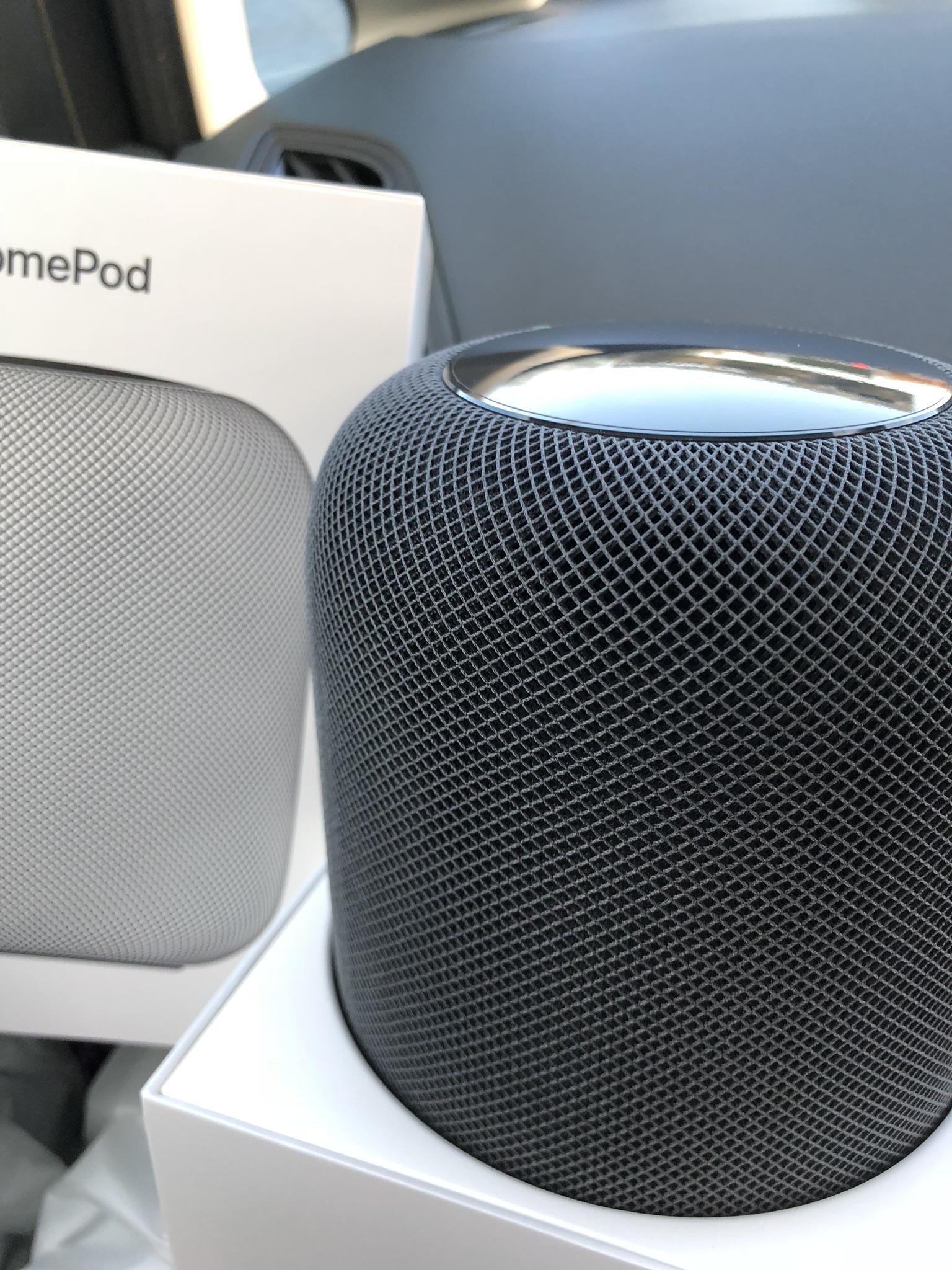
For rme, the HomePod is all about music (and podcasts in my case). I am the perfect audience for a HomePod as I am an Apple Music subscriber who wants good sound in my kitchen. I don’t want to ask it trivia questions or use it to order from Amazon; sound quality is at the top of my list. I also don’t like a microphone permanently in my kitchen, so Apple’s privacy policy fits in with my own views on security.
So in the end the HomePod fits my views and needs, and to that end it has fitted perfectly into my home setup. I placed it in the kitchen, on my wooden kitchen counter, and can report that I have had no issues related to marks on the surface! The setup was incredibly simple with my iPhone recognising the HomePod close.by and asking me a few questions- almost identical to the setup of the Apple AirPods. When I think back to the voice recognition training required for Dragon Dictate (and years ago with IBM ViaVoice!), the technology has come so far. Yes it still has its quirks, but the improvements are incredible.
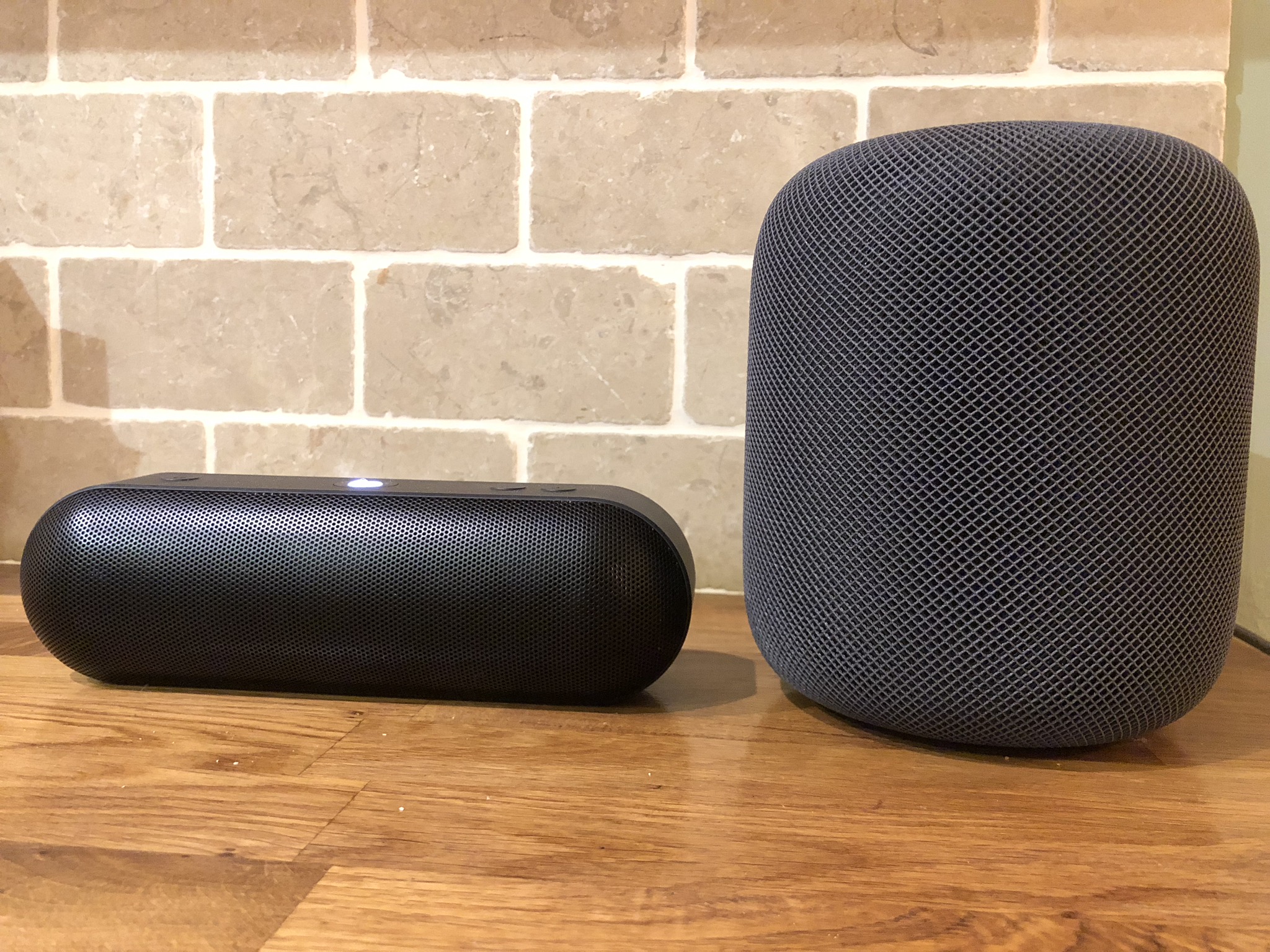
The main headline here is the sound- it sounds great. After a few days I began to wonder just how different it was as I had become used to the new sound, I turned on my old Beats speaker to compare- and this is when you realise just how good it is. My poor Beats Pill is really no rival and very outclassed, so the test is unfair, but I did think it was a good speaker to use in the kicthen. I am no audio expert but the sound quality on the HomePod is strong and clear and any speaker I had used in the past sounded boxy and mono by comparison.
When it comes to interaction with the HomePod, Siri is a mixed bag. I can see why people would get frustrated with it, or possibly with any speech control system. Most of the time it plays what I ask for, but with so many mixes of songs, it can easily play a version of what you asked for, but not THE version you were after. For example I asked it for “Duel of the Fates by John Williams”, from the Star Wars soundtrack, as this is a strong classical piece and tests the speakers nicely! But John Williams is not the artist, he is the composer and so Siri did not seem to understand and played other tracks with “Duels” and “Fates” in the title. It got there when I asked for “Star Wars Duel of the Fates” and so there is a bit of adjusting involved where you adapt to Siri, possibly even more than Siri adapts to you. Overall my interaction makes me feel it is adequate to good, if not by any means perfect. Sometimes I reach for my iPhone and just Airplay sound to the HomePod, simply because I can’t think of the name of the track I want and find it easier to browse on my phone screen. There is also an element of not wanting to speak out loud to it- I find tapping on the phone easier. So I probably use Siri 50% of the time to start music and AirPlay the other 50%.
But I now regularly ask Siri for a playlist which I have setup in Apple Music and off it goes- perfect each time. My kids have had fun asking for songs and they too know how to ask, adapting the structure of their sentences to gain better accuracy. It is like Siri has rules for manners- you must ask the right way.
It does also have some nice touches- asking for the news headlines gives a BBC news summary for the day, which is a handy way to get up to date when arrriving home. The ability to ask Siri to set a timer is invaluable in the kitchen and items such as weather reports are nice touches, if things I use quite infrequently.
Lastly, the microphone in the HomePod does an amazing job in recognising speech despite the din! I can have the cooker extractor fan on next to the HomePod, with the kids chatting away, and Siri will still be able to recognise my “Hey Siri” request and interpret the instructions through the noise. Same for music; if a track is playing I can speak to Siri to change to a new song and it recognises my instruction as if the room was silent.
Overall the HomePod is pricey, but not too pricey for a great equality speaker. It matches my expectations and exceeds them in terms of sound and microphone recognition. The accuracy of its responses will change over time as Apple updates its systems as there is room for improvement there. But overall I am pleased with my purchase and it is a nice addition to my home
Hands-on with Apple CarPlay
This week I have had the opportunity to try CarPlay, Apple's version of iOS for your car. It was remarkably easy to setup and use, and a major improvement to any in-car entertainment system. I was driving a 2018 Ford car (in Ireland) which comes with CarPlay compatibility.
Bear in mind that not all cars are CarPlay ready- my Ford was a 2018 model and came with a built-in touchscreen. This is not always standard in Ford cars- you may need to have a special add-on pack added to a new car to be able to use CarPlay. But all Fords with the touchscreen technology do include CarPlay as standard:
Setup:
Plugging an iPhone into the USB port on the central console brings up the following two screens on the 8" touchscreen:
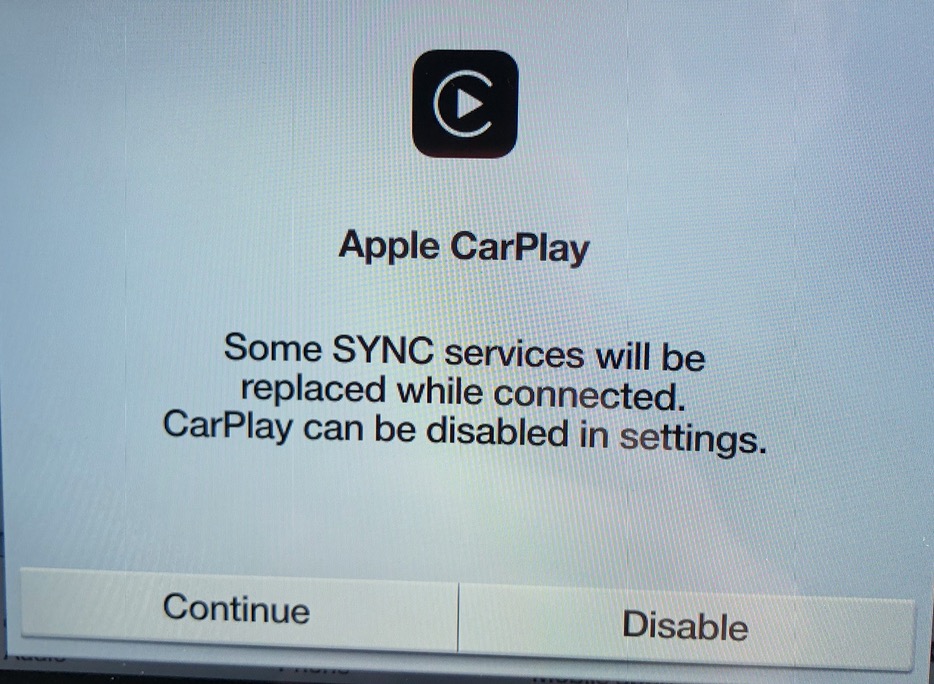
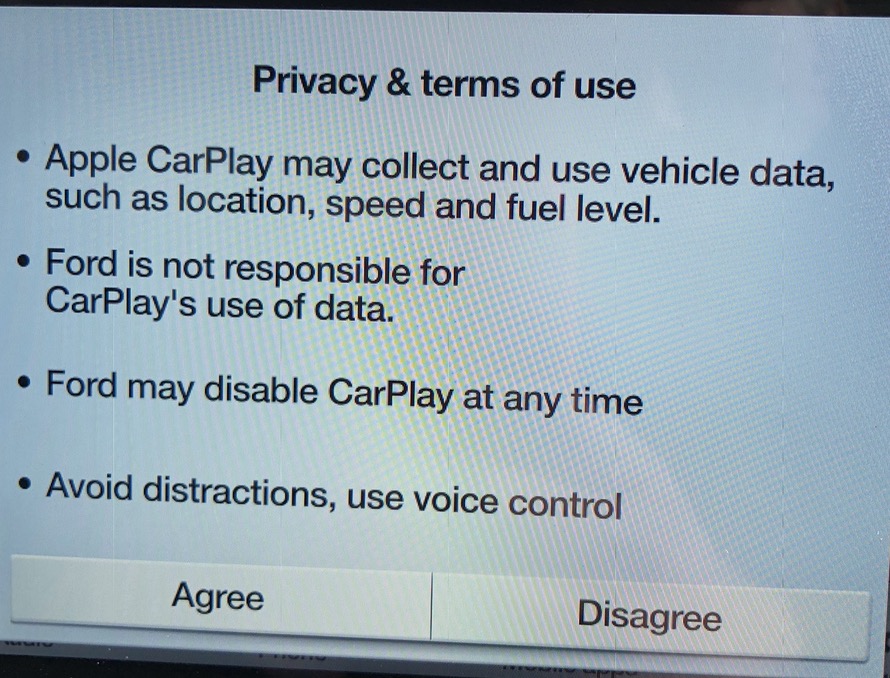
Having chosen to continue, and agreeing to the conditions, you will see this on your screen:
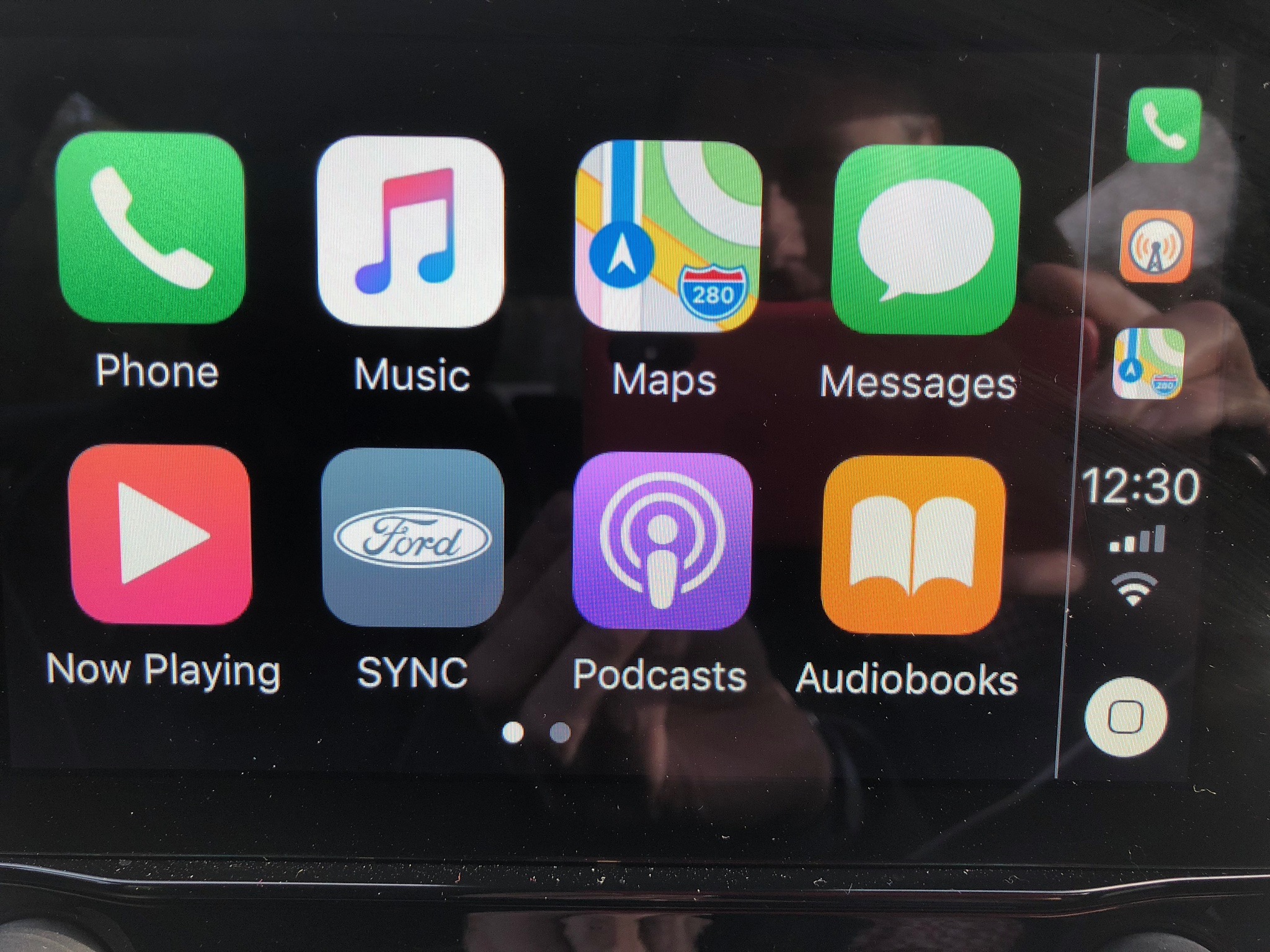
The iPhone will ask you if you wish to accept the link (this question appears automatically) and then the CarPlay Home screen appears on the car touchscreen. In the future, plugging in the phone to the USB port always takes you to this Home screen.
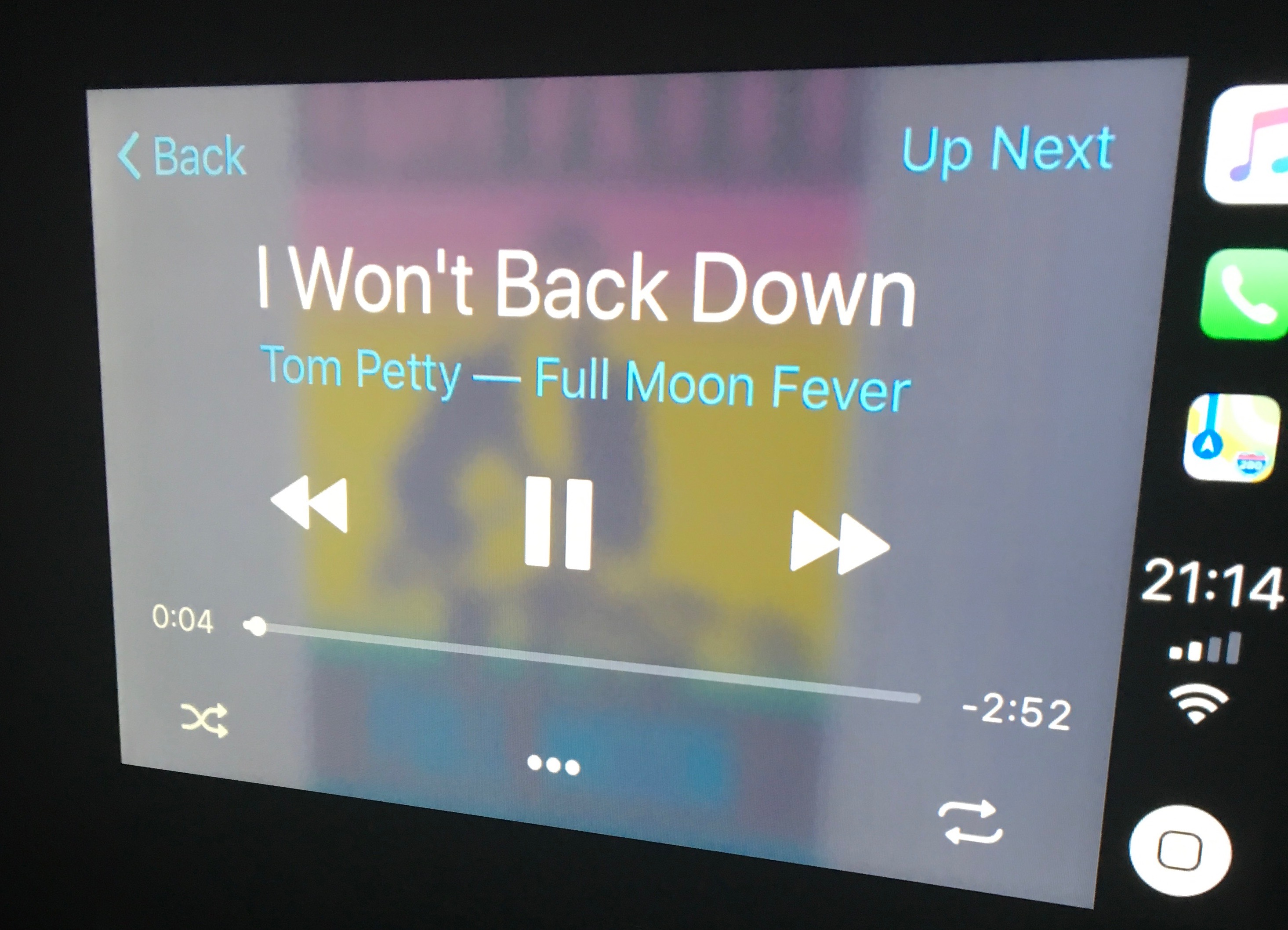
Immediately, the experience is both reassuring and familiar- the touchscreen behaves like an iPhone or iPad; touching an app to open. It is simple and clear to use, with big buttons and large text. The Music app has all of your iPhone music, plus works great with an Apple Music subscription:
The emphasis is on big clear text and buttons. It was easy to tap when driving, to end a route map or to skip a song. The Ford screen is big, bright and easy to read. Here is an example of the Apple Maps app:
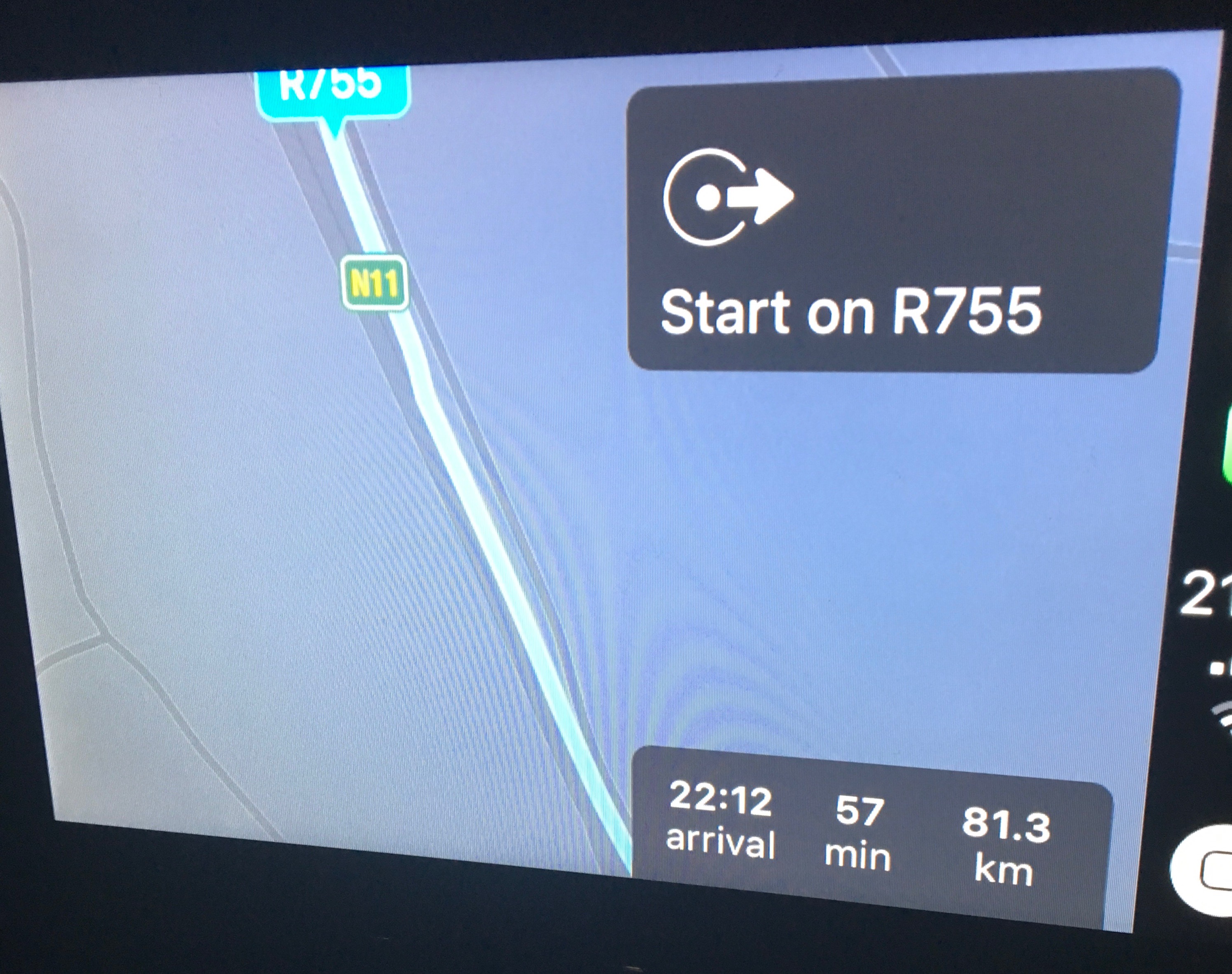
Given its position in the car, this is far better than using your phone on the passenger seat, or using a phone holder attached to your air vent!
The Phone app is also clear and easy to use:
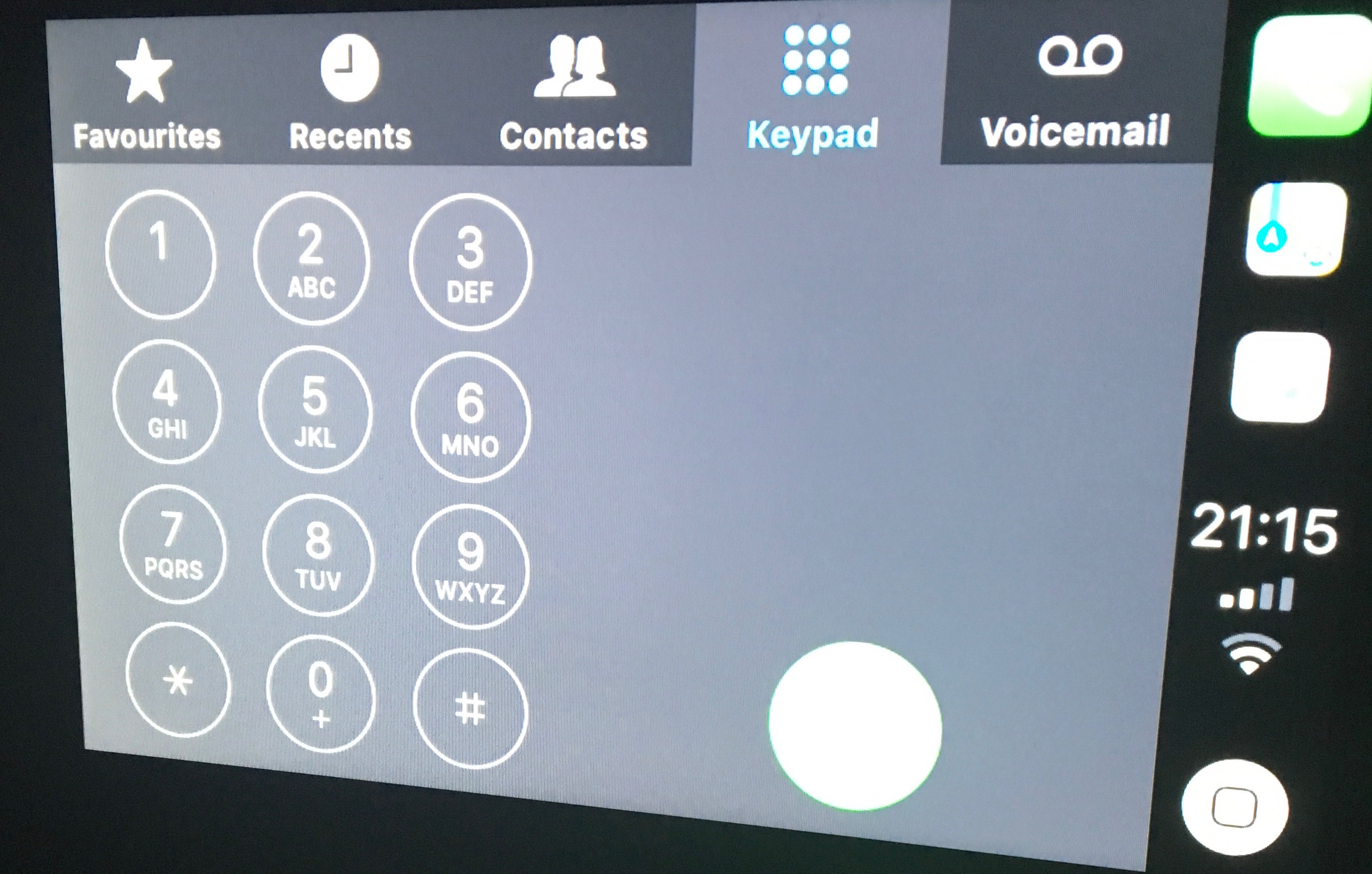
I found that using CarPlay was easy- there was almost no learning involved as the icons match the iOS experience. My seven-year-old immediately took to it when she sat into the car- she tapped and scrolled with ease, rarely stopping to consider how to use the system.
By comparison, the built-in Ford Sync menus are very ugly:
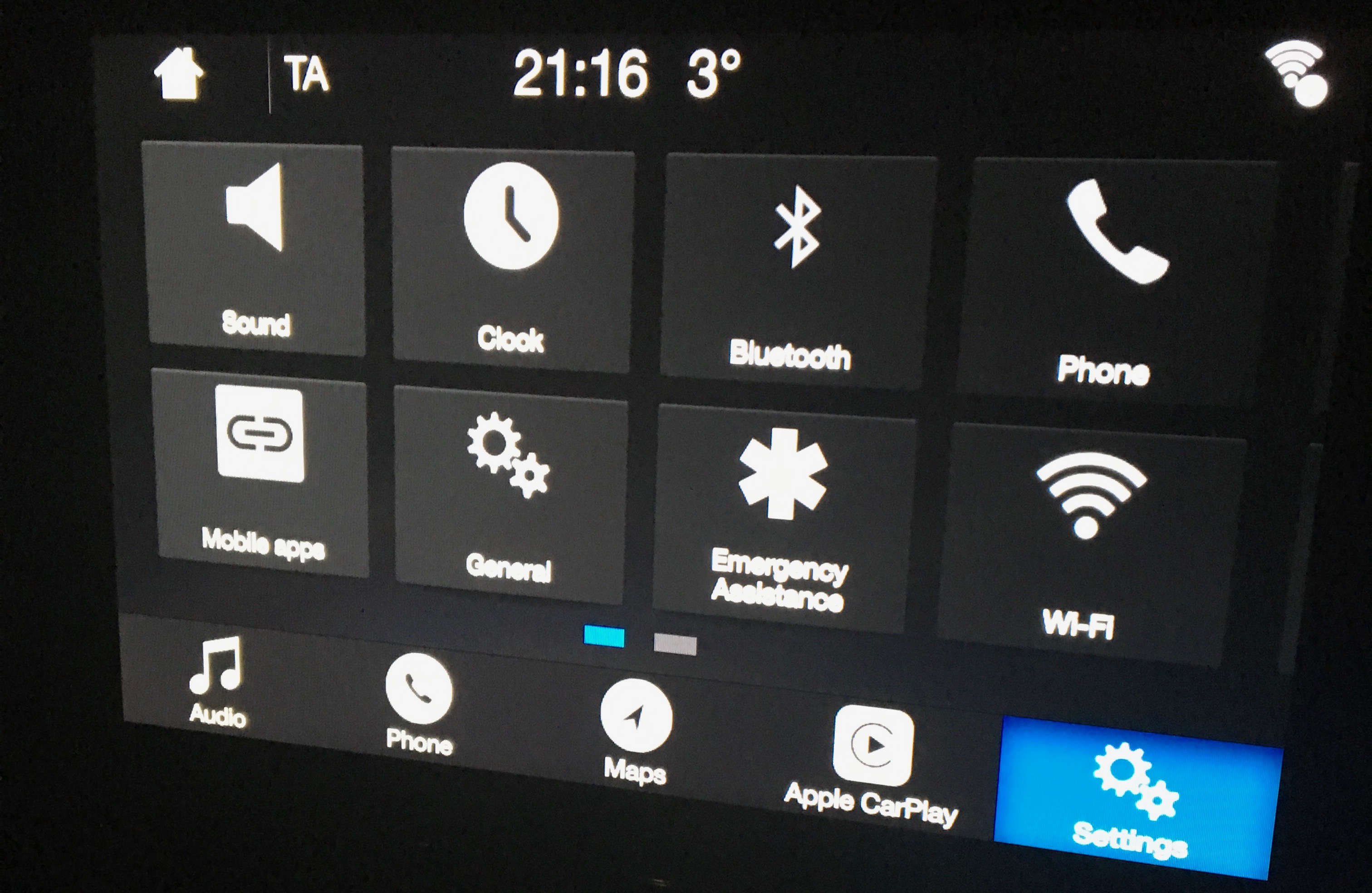
This is what you see when you exit out of CarPlay- a typical car manufacturer's UI. For me the contrast was remarkable. I have been using the older Ford Sync menus in my 2013 Ford for the last few years and the contrast is a leap from analogue to digital. This system just works; it is friendly, familiar and easy to navigate.
However the relationship with the car is transformed, and I can see why car manufacturers would be uneasy. The driver's connection with the car moves in Apple's direction- this feels like an Apple experience, not a Ford experience. It is still a Ford Car, but your relationship with the Ford brand is pushed aside. When you get into the car you plug your iPhone in and you touch the Apple iOS-driven screen. Apple is riding on top of Ford technology- this is a remarkable leap for the driver and one that I love. But Ford have surrendered their ground to a third-party invader and that is both welcome and curious.
Hopes for 2018
There are a number of items which I hope Apple will address this year- some outstanding issues and some new expectations.
The first is a personal want- the cellular version of the Apple Watch in Ireland. Apple launched the cellular Watch in the Autumn, but it needs deals with the mobile phone carriers to spread this into other countries. On launch, there was a limited set of carriers involved in a handful of countries, but I hope to see this spread to new regions this Spring. It would also be good to see all carriers involved so customers have choices.
The second issue for 2018 is the Mac Pro and what Apple does in the professional space. In a sense I have divided views on this. I like the idea of Apple reclaiming their professional desktop space but will I ever buy one- probably not. So it feels like a heavy dose of hypocrisy to want Apple to build pro Macs, without seeing any reason to use one. But the idea of a Mac Pro and how it would help to boost and inform work on future iMacs is enough to allow me to hope for this.
HomePod is my third hope for 2018. Right now it feels underwhelming, a Siri based speaker. The audio working to adapt with the space in a room is clever, but to date this does not feel like a must-have product. It reminds me of the iPod HiFi speaker, but I hope it will offer more than Apple attempting to copy Amazon and Alexa. I also hope the shipping date delay is a good sign of improvements, because right now no one has asked me about this product and the sense of buzz is not there. An interesting space to watch and see where Apple are going here.
No doubt we will have the usual yearly updates to iOS and macOS too- lots to look forward to in 2018.
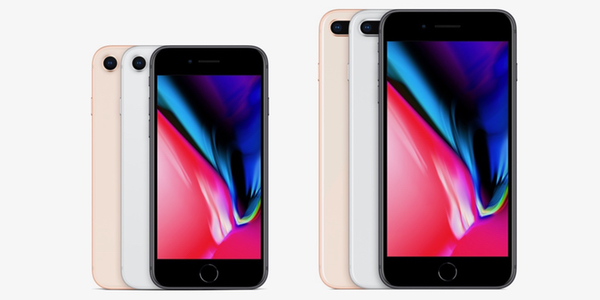
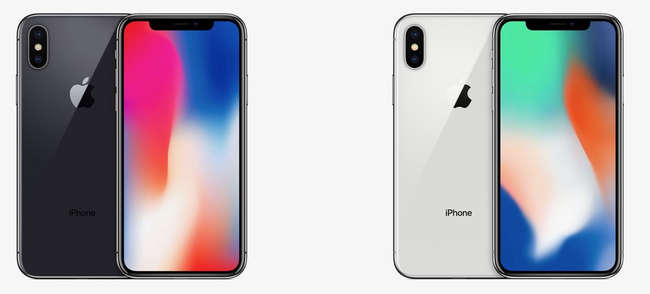
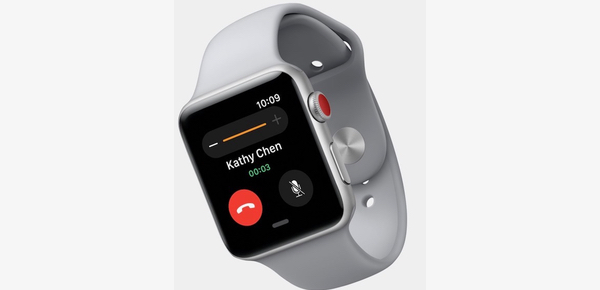
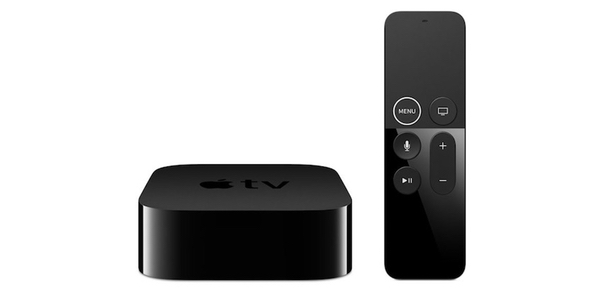
Event Update: iPhone 8, iPhone X, Watch 3 & Apple TV
Apple held an event this evening to launch a number of new products. Here is a quick update on what was announced:
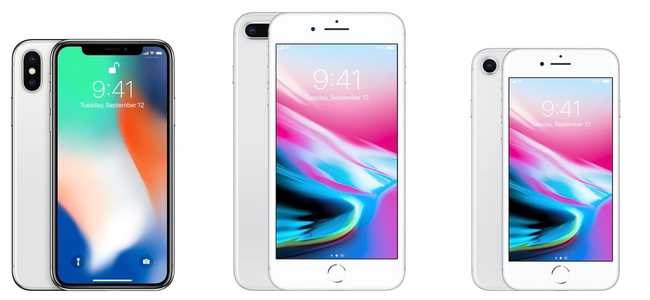
The State of the Mac (Desktop)
Over the last few weeks I can't help but think that Apple have seriously dropped the ball on Mac desktop updates. The obvious example is the Mac Pro. Apple have admitted that they made mistakes with the Pro and have now needed to go back to the drawing-board, to redesign a Pro desktop model. Other than this month's minor tweaks, the cylindrical towers were last upgraded back in 2013, which is a crazy gap for any technology product, let alone the powerful Mac which is supposed to demonstrate Apple's cutting edge abilities in desktops.
But even with the iMac, updates have been slow in arriving. Apple updated the aluminium iMac every year from 2007 to 2015; then nothing in 2016. So the updates this year, mentioned as "coming" in 2017 in the Apple press briefing, means they are long overdue. Any revisions should really have arrived towards the end of 2016 at the latest and the fact that they are likely to arrive in late 2017 means that there are many iMac users out there hanging on, and will simply have to sit and wait through patiently.
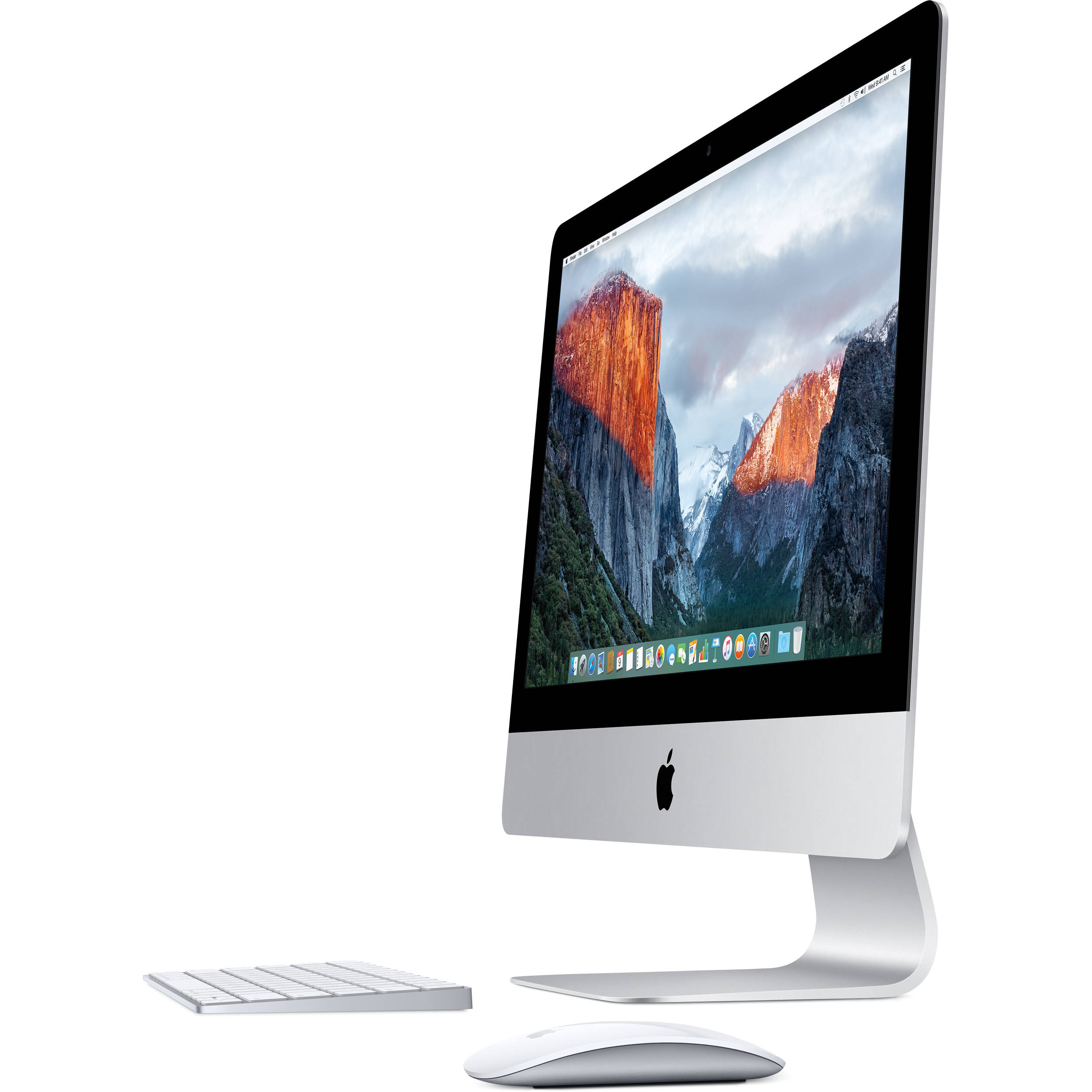
Apple have hinted that the iMac upgrade will be more than a simple speed bump and it is possible that something big is coming in the design as well as the speed. Maybe the long wait will be worth it, but surely they could have revised the chips and graphics in mid-2016 as an interim step?
The other Mac left to the sides is the Mac mini- to the point that I had questioned if it would ever be upgraded? It was updated annually between 2009-2012, then once in 2014. A three year gap is worrying for a Mac. Apple mentioned the mini at the recent meeting, and said it was still an important part of their range, but otherwise I would have assumed that it was on the way out. The hint of a possible update is welcome and I really do hope that it receives some attention before the end of 2017.
The question I have is how did we get to this point with the desktop Macs? The mess that is the Mac Pro lineup is not simply a matter of Apple revising its ideas on the Pro; for me they completely stalled on this line and are now reacting to the situation very late. If they had only decided it was not serving their customers correctly, that would be one thing, but they took so long to reach this view that it shows they had lost their focus on the desktop Pro. The same seems to be true for the iMac and this is the most disappointing part for me. Over the years the iMac has been such an important product for Apple that it deserved far more attention during 2015-2017. Any update coming in late 2017 will be welcome but I hope that this signals Apple will give the desktop Macs regular attention and not result treat them in a stop-start manner in the future.